Melasma Treatment NYC
Expert Care for Clearer Skin
Melasma is a common skin condition that causes dark patches or hyperpigmentation, often appearing on the face. It typically affects the cheeks, forehead, bridge of the nose, and upper lip, often in a mask-like pattern. This dermatologic condition is caused by excess melanin production, often triggered by hormonal changes, sun exposure, and genetic predisposition. Often called the “pregnancy mask,” melasma with pregnancy is one of the most well-known triggers, but this condition can affect anyone. It’s more common in women who tan easily and is especially prevalent among women of color, including African Americans, Hispanics, and Asian Americans.
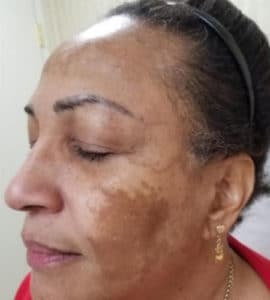
If you’re struggling with melasma in la cara (on your face) or dealing with melasma on the upper lip — often called the “melasma mustache” — you’re not alone. Thankfully, effective melasma treatment is available at Aglow Dermatology in New York City.
What Causes Melasma?
Melasma can be triggered by a variety of factors, including:
While melasma isn’t harmful, it can lead to feelings of self-consciousness and social stigma in certain cultures. This can make finding an effective treatment even more important for your well-being.
-
Hormonal Changes: Melasma with pregnancy and from birth control pills are both common because of fluctuating hormone levels.
-
Sun Exposure: UV rays can worsen dark patches and make them more difficult to treat.
-
Thyroid Conditions: Melasma with hypothyroidism has been observed in some individuals.
-
Genetics: A family history can increase your risk.
Who Gets Melasma?
Melasma is more common in women and in people with darker skin tones, especially African Americans, Hispanics, and Asians. These individuals naturally produce more melanin, making them more susceptible to pigmentation disorders. Additionally, individuals with a family history of melasma have a higher likelihood of developing the condition. Pregnant women are more predisposed as are women on hormonal birth control.
Melasma and Pregnancy
Often referred to as the “mask of pregnancy,” melasma frequently develops in pregnant women due to hormonal fluctuations. Increased estrogen and progesterone levels stimulate melanocytes, leading to the dark patches. Women who take birth control pills or undergo hormone therapy may also experience similar pigmentation changes.
Melasma and Men
While melasma is more common in women, men can also develop it. Hormonal imbalances, excessive sun exposure, and genetics can contribute to the condition in men. Treatment in men follows a similar approach, focusing on topical treatments, sun protection, and professional procedures.
Melasma Treatment Options
It is important to understand that this condition arises from something about how the affected person’s skin reacts to certain triggers. For this reason, treating melasma is a long-term commitment. It can come back even once successfully cleared. The success of treatment will depend on whether the pigment is superficial or deep in the skin. At Aglow Dermatology, we offer a variety of advanced and effective treatments tailored to your skin type and needs:
-
Sun Protection: Sun protection is the foundation of Melasma treatment. Mineral sunscreens are essential for preventing melasma from worsening, as sun exposure is a primary trigger. Hats that shield the face from the sun are also important. Consistent sun protection can help maintain treatment results and prevent future discoloration.
-
Topical Treatments: Prescription melasma creams, including hydroquinone-based formulas, can lighten dark patches over time. Other effective melasma face creams and melasma removal creams contain ingredients like tretinoin, cysteamine, tranexamic acid, and kojic acid. Brightening agents help even out skin tone, and combining them with professional treatments can yield the best results.
-
Oral Therapy: In some cases, oral tranexamic acid may be prescribed to help manage the condition, particularly for stubborn or widespread cases.
-
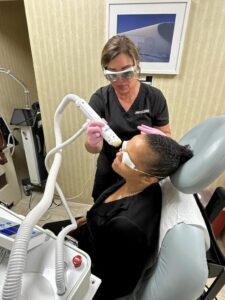
Aerolase Neo Laser: This gentle, non-invasive laser treatment targets pigmentation without damaging the surrounding skin. It’s safe for all skin tones and can help fade melasma on the upper lip, cheeks, and forehead.
-
Chemical Peels: Treatments like modified Jessner’s peels, salicylic acid, glycolic acid, and VI Peels exfoliate the top layers of skin to reveal fresher, clearer skin underneath. Chemical peels can be especially effective for melasma removal on the face.
-
Microneedling: Microneedling has shown great potential in treating melasma, especially when paired with other modalities.
Is Melasma Treatment Covered by Insurance?
The evaluation of melasma is usually covered by insurance. Whether all the treatments are covered depends on your insurance plan. Sometimes the prescriptions are covered. In some cases, such as with 1199 insurance in New York City the chemical peel is covered. Laser therapy is usually not covered. When we evaluate you we will help you determine your options.
Why See a Board-Certified Dermatologist?
Not all dark spots are melasma — conditions like post-inflammatory hyperpigmentation and sunspots can look similar. That’s why getting an accurate diagnosis from a board-certified dermatologist is crucial. Our experienced team will create a customized melasma treatment plan based on your unique skin type and condition
Schedule a Consultation
Contact our expert dermatologist today to explore the best treatment options tailored to your skin type. Schedule your consultation and start your journey to clear, radiant skin!