
Trichotillomania is a hair-pulling disorder that causes noticeable hair loss, often triggered by anxiety or OCD. Treatment involves behavioral therapy and dermatologic support for scalp and hair recovery.
Struggling with hair loss or compulsive behaviors? Schedule a consultation with Dr. Strachan in NYC today to explore personalized treatment options.
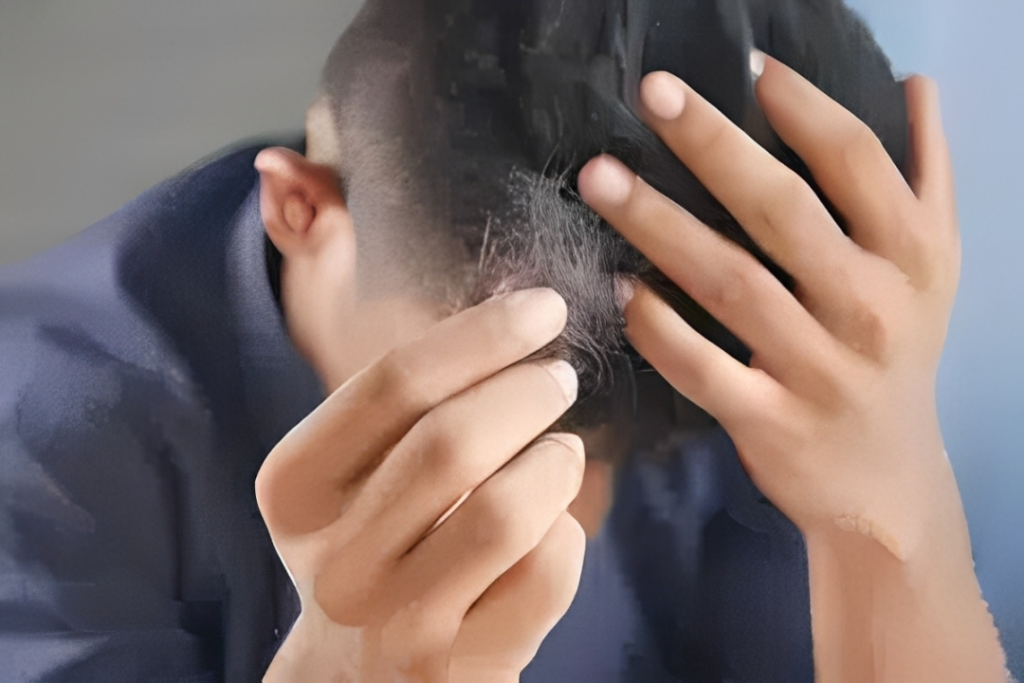
What is Trichotillomania?
Trichotillomania, also known as hair-pulling disorder, is a mental health condition classified as an obsessive-compulsive disorder. It involves recurrent, irresistible urges to pull out hair, leading to noticeable hair loss, distress, and potential scalp damage. The condition may affect the scalp, eyebrows, eyelashes, and other body areas. It also falls into the category of conditions called body focused repetitive behaviors, or BFRBs.
Who is Most Commonly Affected?
-
Children and Adolescents: Onset often occurs between ages 10 and 13.
-
Women: More commonly diagnosed in females, especially in adulthood.
-
Individuals with Anxiety or OCD: Those with related mental health conditions may be more susceptible.
-
People with a Family History: Genetic predisposition may play a role in susceptibility.
What are the Symptoms?
-
Repeated pulling of hair from the scalp, eyelashes, eyebrows, or other body parts.
-
Increasing tension before pulling and relief or satisfaction afterward.
-
Noticeable thinning or bald patches. May be mistaken for alopecia areata or ring worm.
-
Attempts to stop pulling, often without success.
-
Engaging in hair-pulling behaviors in private or without awareness.
What Causes Trichotillomania?
-
Neurological Factors: Differences in brain function, particularly in impulse control and emotional regulation.
-
Genetics: A family history of OCD, anxiety, or trichotillomania increases risk.
-
Psychological Factors: Stress, anxiety, or boredom may trigger episodes.
-
Behavioral Reinforcement: Hair-pulling may develop into a self-soothing habit over time.
How is it Diagnosed?
-
Clinical Evaluation: A psychologist or psychiatrist assesses symptoms and behaviors.
-
DSM-5 Criteria: Must meet diagnostic guidelines for obsessive-compulsive disorders.
-
Scalp Examination: A dermatologist may evaluate hair loss patterns and potential damage.
-
Punch biopsy of the scalp: May be needed to confirm diagnosis
What are the Treatment Options?
Trichotillomania is a behavioral condition. Main management is with a therapist. The role of the dermatologist is to lessen the damage done to the hair, help with hair regrowth, and support behavioral therapy.

Cognitive Behavioral Therapy (CBT):
-
Habit Reversal Training (HRT): Helps patients recognize triggers and develop alternative coping strategies.
-
Acceptance and Commitment Therapy (ACT): Focuses on mindfulness and distress tolerance.
Medications:
-
SSRIs (Selective Serotonin Reuptake Inhibitors): Sometimes prescribed to manage underlying anxiety or OCD.
-
N-acetylcysteine (NAC): An amino acid supplement that may help reduce hair-pulling urges.
Technology
-
Keen Habitaware (opens in new tab) device
Support Groups and Therapy:
-
Online and in-person support groups can help individuals manage symptoms.
Protective Strategies:
-
Wearing gloves, hats, or bandages over affected areas to prevent pulling.
Can Trichotillomania Be Reversed or Prevented?
Trichotillomania is a chronic condition, but with treatment, individuals can manage symptoms and reduce episodes. Early intervention, therapy, and behavioral strategies can help prevent further hair loss and emotional distress.
Frequently Asked Questions (FAQs)
No, it is a compulsive behavior rather than an intentional act of self-harm.
In many cases, hair regrows if follicle damage is not severe. Long-term pulling may cause permanent loss.
While there is no guaranteed cure, treatments can help manage symptoms effectively.
When to See a Dermatologist or Therapist
Both! This condition falls under the category of psychodermatology, which is when mental health, behavioral health, and dermatology intersect. If hair-pulling leads to noticeable bald patches, distress, or an inability to control the behavior, seek a team of trichotillomania specialists. This should include a therapist with expertise in BFRBs (opens in new tab) and a dermatologist for hair-pulling and BFRBs.
Next Steps & How to Get Treatment
Trichotillomania, or compulsive hair-pulling disorder, is manageable with the right approach. Schedule a consultation with our dermatologist who specializes in hair loss to explore treatment options and develop a personalized plan. Learn more about other causes of hair loss and available solutions.