
Frontal Fibrosing Alopecia (FFA) – Causes, Symptoms & Treatment
Progressive hair loss along the hairline can be a sign of an underlying inflammatory scalp condition. Dr. Dina M. Strachan, MD, a board-certified dermatologist at Aglow Dermatology in New York City, evaluates patients with hair loss and provides dermatologic treatment for conditions such as frontal fibrosing alopecia.
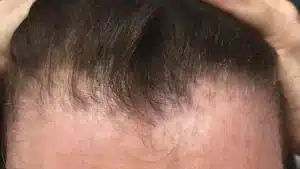
What is Frontal Fibrosing Alopecia (FFA)?
Frontal fibrosing alopecia (FFA) is a scarring type of hair loss that primarily affects the frontal hairline and temples, leading to progressive and permanent hair loss. It is considered a variant of lichen planopilaris (LPP) and is characterized by inflammation that destroys hair follicles, replacing them with scar tissue. Early intervention is crucial to slowing its progression.
Who is Most Commonly Affected?
Postmenopausal Women: FFA is most commonly seen in women over 50, though younger individuals can also be affected.
Individuals with Autoimmune Conditions: There is a possible link between FFA and autoimmune disorders.
People with a Genetic Predisposition: Family history may increase the likelihood of developing FFA.
What are the Symptoms?
-
Gradual receding of the hairline, often starting at the temples with stray hairs (orphan hairs).
-
Eyebrow thinning or complete loss in many cases.
-
Scalp redness, itching, or burning in affected areas.
-
Loss of hair on other body areas (e.g., arms, legs) in some patients.
-
Smooth, shiny scalp where hair follicles have been permanently destroyed.
-
Facial papules some people develop scaly papules on the face
What Causes FFA?
-
Autoimmune Response: The immune system mistakenly attacks hair follicles, leading to inflammation and scarring.
-
Hormonal Factors: The prevalence in postmenopausal women suggests hormonal changes may play a role.
-
Environmental Triggers: Possible links to leave-on personal care products (opens in new tab) and sunscreen use and other environmental factors have been suggested but are not confirmed.
-
Genetics: Some evidence suggests a hereditary component.
How is it Diagnosed?
-
Clinical Examination: A dermatologist evaluates scalp changes, hair loss patterns, and symptoms.
-
Scalp Biopsy: A small tissue sample may be taken to confirm inflammation and follicular destruction.
-
Trichoscopy: A non-invasive tool to assess hair follicle damage under magnification
What are the Treatment Options?
Anti-Inflammatory Medications:
-
Topical or Intralesional Corticosteroids: Reduce scalp inflammation.
-
Oral Hydroxychloroquine: Often used to slow disease progression.
Topical and Systemic Treatments:
-
Calcineurin Inhibitors (Tacrolimus, Pimecrolimus): Help reduce inflammation.
-
5-Alpha Reductase Inhibitors (Finasteride, Dutasteride): May help prevent further hair loss.
-
Oral Tetracycline Antibiotics: Used for their anti-inflammatory properties.
-
Isotretinoin: May be helpful in people with facial papules.
Hair and Scalp Care:
-
Avoiding harsh chemical treatments and excessive heat styling.
-
Using mild shampoos and scalp moisturizers to reduce irritation.
Hair Transplant Surgery (For Advanced Cases):
-
A possible option once the disease is inactive, though results may vary.
Can FFA Be Reversed or Prevented?
FFA is not reversible once scarring occurs, but early intervention can help preserve existing hair. Patients should avoid potential triggers and follow prescribed treatments to slow the condition’s progression.
Frequently Asked Questions
Hair loss due to FFA is permanent if scarring has occurred, but treatment can help slow further loss.
The reason is not fully understood, but these areas may be more susceptible to the inflammatory response.
Yes, though it is much less common in men than in women.
When to See a Dermatologist
If you notice a receding hairline, eyebrow thinning, or scalp discomfort, consult a dermatologist as soon as possible. Early treatment is key to managing the disease effectively.
Next Steps & How to Get Treatment
If you suspect you have FFA, schedule a consultation with our hair loss dermatologist for a personalized treatment plan. Learn more about hair loss conditions and the latest treatment options to protect your scalp health. Learn about our telehealth for hair loss services!