

Hair loss, with the medical name alopecia, can arise from many causes. These include genetics, hormonal changes, medical conditions, diet, stress, and hair care practices.
If you are seeking a hair loss dermatologist in NYC, see our team at Aglow Dermatology. We are here to provide an accurate diagnosis and tailored treatments. You can trust the expertise of board-certified dermatologist Dr. Dina Strachan to address your concerns.
Why see a dermatologist for hair loss?
Hair plays a crucial role in physical and emotional well-being. Hair is not a vital organ, but its presence—or absence—can significantly impact self-esteem. Hair loss can even signal underlying health issues.
Hair loss is an expected part of the hair growth cycle. Shedding between 50 and 100 hairs a day is completely normal. However, more than 125 hairs falling out a day might indicate hair loss. If that sounds relatable, you should visit a dermatologist for an evaluation.
Similarly, you should visit a dermatologist if:
- Your overall hair is thinning
- You find new areas of baldness
- Your part is widening
- Or your hairline is receding
Remember, significant hair loss can be an indicator of more serious health concerns. Beginning an effective hair loss treatment plan is not purely cosmetic. There are a great many types of providers who might offer hair loss services. Seeking a dermatologist for hair loss treatment ensures that the root of your condition receives appropriate diagnosis and treatment.
About 50% of the population experiences some form of hair loss during their lifetime. Whether you’re dealing with thinning hair, bald spots, or excessive shedding, a female hair loss treatment specialist can help. At Aglow Dermatology, we’ll identify the cause and provide a custom treatment plan.
Understanding the Hair Growth Cycle
Hair growth follows a cycle which has 3 separate phases:
- Anagen Phase: The growth phase of 2-7 years.
- Catagen Phase: A transitional phase of about 2-3 weeks.
- Telogen Phase: The resting phase of about 3 months, during which old hairs shed.
Conditions like stress-related shedding and certain medical treatments can disrupt the normal growth cycle. Understanding the cycle will help you manage your hair loss.


Categories of Hair Loss
Hair loss is not one-size-fits-all. At Aglow Dermatology, we classify alopecia into two main categories:
Scarring vs. Non-Scarring Hair Loss
- Non-Scarring Alopecia: Includes androgenetic alopecia (pattern hair loss), alopecia areata, traction alopecia, trichotillomania, and telogen effluvium.
- Scarring Alopecia: Conditions like frontal fibrosing alopecia, lichen planopilaris and central centrifugal cicatricial alopecia (CCCA), which can lead to permanent hair loss.


Primary vs. Secondary Hair Loss
- Primary Hair Loss: Directly affects hair follicles, like alopecia areata.
- Secondary Hair Loss: Results from external factors like illness, diet, or medications.
Dr. Strachan, our dermatologist in NYC, will determine the type of hair loss you’re experiencing. This will help guide your treatment process.
Diagnosing Hair Loss at Aglow Dermatology
Accurate diagnosis is the beginning of effective hair loss treatment. During your consultation, Dr. Strachan will perform a thorough evaluation. This includes:
- Detailed health and family history
- Physical examination
- Blood tests
- Scalp biopsy
- Cultures for fungal or bacterial infections
Hair Loss Center of Excellence in NYC
Hair loss can be complex, and many patients arrive after months or years of uncertainty. In addition to treating hair and scalp disorders every day in our dermatology practice, Aglow Dermatology offers a specialized Hair Loss Center of Excellence clinic for new patients and complex cases. Held monthly, this dedicated clinic allows extra time for detailed evaluation and diagnostic planning so patients receive clear answers and a focused treatment strategy. Patients may request this specialized visit, although hair loss care is available during our regular appointments year-round.
Comprehensive Hair Loss Treatments in New York
Once our expert dermatologist determines the cause of your hair loss, she will recommend custom treatments. There are a great many types of treatments for hair loss. Your plan will be unique for your unique situation.
Depending on your diagnosis, treatments may include:
- Prescription medications or over-the-counter solutions (like minoxidil)
- Supplements to address nutrition deficiencies
- Injections (like corticosteroids or PRP therapy)
- Non-surgical hair restoration (like Alma TED or red light therapy)
- Laser therapy for scalp stimulation
- Surgical hair transplantation for advanced cases
Our hair loss treatment NYC solutions address all types of alopecia. We’ll help you get the personalized care and results you deserve.
Other Hair Loss Treatments You May Have Heard About
Laser and Red Light Therapy Devices (At-Home Hair Growth Devices)
Low-level laser therapy (LLLT), also called red light therapy, is used in devices like laser caps and helmets designed to stimulate hair follicles.
Popular brands include:
- HairMax
- Capillus
- iRestore
- CurrentBody LED helmet
These devices may help in early androgenetic alopecia, but results are typically modest and require consistent long-term use. They are not effective alone for all types of hair loss, especially scarring alopecia, but like minoxidil, can be a great addition to a treatment plan.
👉 If you’re not sure whether you’re a candidate, a proper diagnosis matters more than the device.
PRP and Exosome Treatments for Hair Loss
Platelet-rich plasma (PRP) uses your own blood to deliver growth factors to the scalp. Some practices now offer exosome therapy, which is marketed as a next-generation regenerative treatment.
You may see brands like:
- EmCyte
- Eclipse PRP
- Kimera Labs (exosomes)
- ExoFlo
While PRP has some supporting evidence, exosome treatments are still being studied and are not well standardized. Marketing often exceeds the science.
Online Hair Loss Companies (Hims, Keeps, etc.)
Many patients consider online platforms such as:
- Hims
- Keeps
- Roman
These services provide medications like minoxidil and finasteride.
While convenient, they do not replace a full dermatologic evaluation, which is important to:
- Identify the correct diagnosis
- Rule out medical causes
- Customize treatment
Hair Growth Supplements
Popular supplements include:
- Nutrafol
- Viviscal
- Wellbel
These may support hair growth in some cases, but they do not treat the underlying causes of most hair loss conditions.
Hair Transplant Surgery
Hair transplantation (including robotic systems like ARTAS) may be an option for certain patients with stable hair loss.
However:
- Not all patients are candidates
- Surgery does not stop ongoing hair loss
- Medical treatment is often still necessary
Microneedling for Hair Growth
Microneedling devices (e.g., Dermapen, Dr. Pen) are sometimes used to enhance absorption of topical treatments like minoxidil.
There is some evidence of benefit, but results depend heavily on:
- Proper technique
- Consistency
- Combination therapy

Special Focus: Hair Loss in Black Women
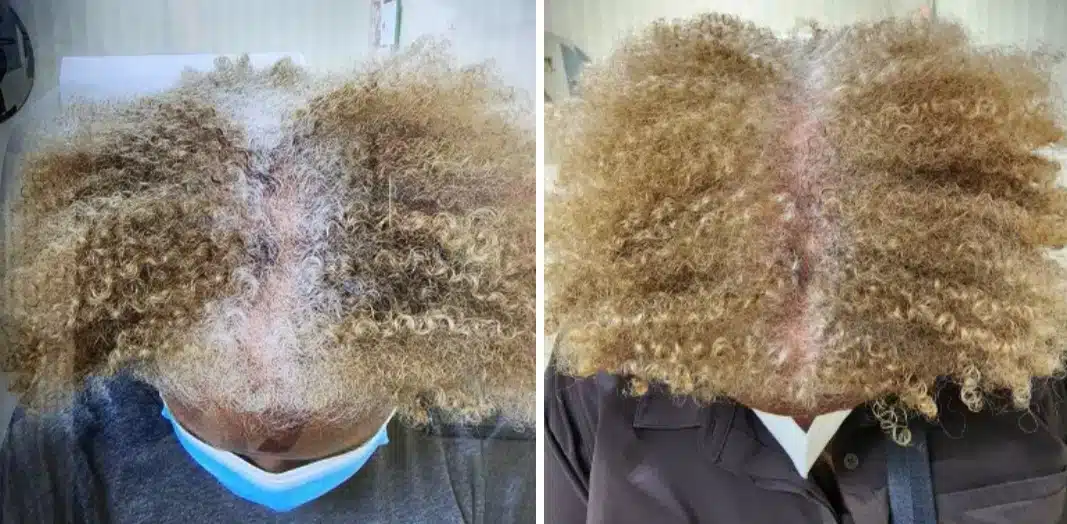
At Aglow Dermatology, we understand the unique needs of patients with textured hair. Black women are more prone to specific conditions like CCCA and traction alopecia. This is because of hair texture and grooming practices.
Dr. Strachan specializes in hair loss treatment for African American women, offering culturally sensitive and effective care. Your hair loss specialist should be familiar with the specific needs of your hair type.
Black hair has a unique and delicate hair texture. Although hair loss affects people of all ethnic backgrounds, African Americans experience certain types of hair loss more commonly.
This is because of:
- Hair Texture: Curly and kinky hair is more fragile and prone to breakage with grooming. In addition, people with curly or kinky hair are more prone to developing ingrown hairs. Ingrowns can cause inflammation, scarring, and hair loss.
- Grooming Practices: Market research indicates that style is highly important to African American consumers. Some grooming practices for achieving certain hair styles traumatize the hair and scalp. This can result in damage and hair loss.
- Genetics: Some types of hair loss, such as central centrifugal cicatricial alopecia (CCCA), may be genetic. CCCA predominantly affects African American women. This type of hair loss is likely from a genetic predisposition to develop chronic inflammation in the scalp. This inflammation is a result of traumatic hair styling practices such as tight braids, tight weaves, or heavy dreadlocks.
Hair Loss and Diet: The Connection
Nutritional deficiencies, such as low levels of protein, iron, zinc, or biotin, can contribute to hair loss. Not everyone benefits from supplements but targeted nutritional support may be part of your recovery plan. Our team will guide you in optimizing your diet to support healthy hair growth.
Preparing for Your Hair Loss Consultation
Before visiting our NYC office, please prepare for evaluation by wearing your hair loose. Avoid braids, weaves, or wigs to allow a full hair and scalp examination. This helps us evaluate your condition thoroughly.
Hair Loss Treatment FAQs
When should I see a dermatologist for hair loss?
It is normal to shed about 50–100 hairs per day. However, you should see a dermatologist if you notice:
- Excessive shedding (more than ~125 hairs per day)
- A widening part or thinning ponytail
- A receding hairline
- Bald or patchy areas
- Scalp symptoms such as itching, burning, or scaling
Hair loss can sometimes signal underlying medical conditions. Early diagnosis is critical because some types of hair loss can become permanent if not treated promptly.
What is the most effective treatment for hair loss?
The most effective treatment depends on the cause of hair loss, which is why diagnosis comes first.
Common treatments include:
- Topical or oral medications (such as minoxidil or finasteride)
- Anti-inflammatory treatments for scarring alopecia
- Procedures such as PRP or in-office therapies
There is no one-size-fits-all solution—targeting the underlying condition is what leads to the best outcomes.
Can hair loss be reversed?
It depends on the type of hair loss.
- Non-scarring alopecia (such as stress-related shedding or hormonal thinning) is often reversible with proper treatment.
- Scarring alopecia (such as CCCA or lichen planopilaris) permanently damages the hair follicle.
This is why early evaluation is so important—we aim to treat inflammation before permanent damage occurs.
What is Central Centrifugal Cicatricial Alopecia (CCCA)?
Central Centrifugal Cicatricial Alopecia (CCCA) is a form of scarring hair loss that primarily affects Black women. It usually begins at the crown of the scalp and spreads outward.
It is associated with:
- Genetics
- Inflammation
- Certain hairstyling practices
Because CCCA causes permanent follicle damage, early diagnosis and treatment are critical. Dr. Strachan specializes in diagnosing and managing this condition to help prevent progression.
Can hairstyles like braids or ponytails cause hair loss?
Yes. This is called traction alopecia, which occurs when repeated tension from tight hairstyles damages the hair follicles.
Common causes include:
- Tight braids or locs
- Weaves or extensions
- Tight ponytails or buns
If caught early, traction alopecia can be reversible. However, long-term tension can lead to permanent hair loss.
Do laser caps or red light therapy devices really work for hair loss?
Low-level laser therapy (LLLT) devices—such as HairMax, Capillus, and iRestore—may help stimulate hair growth in early androgenetic alopecia.
However:
- Results are typically modest
- Consistent, long-term use is required
- They are not effective for all types of hair loss, especially scarring alopecia
These devices may be helpful as part of a broader treatment plan, but they are not a substitute for medical care.
Are exosome treatments better than PRP for hair loss?
Exosome therapy is a newer, heavily marketed treatment that uses cell-derived signaling particles to influence hair follicles.
However:
- It is not well standardized
- It lacks strong clinical evidence compared to PRP
- It is not FDA-approved for hair loss
PRP has more supporting data, while exosomes are still considered experimental in many cases.
Is it safe to use Hims or Keeps for hair loss treatment?
Online platforms like Hims and Keeps provide access to medications such as minoxidil and finasteride.
While convenient, they:
- Do not provide a full scalp exam
- May miss underlying diagnoses
- Offer less personalized treatment
A board-certified dermatologist can determine the exact cause of hair loss and tailor treatment appropriately.
Do hair growth supplements like Nutrafol or Viviscal work?
Supplements like Nutrafol and Viviscal may support hair growth in certain situations, particularly if nutritional deficiencies are present.
However:
- They do not treat most underlying causes of hair loss
- They should not replace medical therapy
- Results are often modest and variable
They may be used as a supportive treatment, not a primary one.
Do I need a scalp biopsy for hair loss?
Not always—but in some cases, it is necessary.
A scalp biopsy may be recommended when:
- The diagnosis is unclear
- Scarring alopecia is suspected
- Hair loss is not responding to treatment
It involves taking a small sample of the scalp for microscopic evaluation and is considered the gold standard for diagnosing certain hair loss conditions.
Does insurance cover hair loss treatment?
Medical visits to diagnose hair loss are often covered by insurance, similar to other medical conditions.
However, treatments considered cosmetic—such as:
- PRP
- Laser treatments
- Hair transplants
- Devices like Alma TED
are typically not covered.
Coverage will be reviewed during your consultation.
Does frequent hair washing or “greasing” the scalp affect hair loss?
Scalp care plays an important role in hair health.
- Heavy oils or “grease” can contribute to buildup and worsen scalp conditions like dandruff or inflammation
- Washing too infrequently can lead to accumulation that interferes with healthy growth
A balanced, customized hair care routine based on your hair type and scalp condition is essential.
What is trichoscopy and why is it important for hair loss diagnosis?
Trichoscopy is a non-invasive method of examining the scalp and hair using a specialized magnifying device. It allows the dermatologist to closely evaluate:
- Hair shaft thickness and variation
- Signs of inflammation or scarring
- Follicular openings
- Patterns of hair loss
This helps distinguish between different types of alopecia—such as androgenetic alopecia, alopecia areata, and scarring alopecias—without the need for immediate biopsy in many cases.
Do I need blood work for hair loss?
In some cases, yes. Blood tests may be recommended to identify underlying medical causes of hair loss.
Common tests include:
- Iron levels (ferritin)
- Thyroid function (TSH)
- Vitamin D levels
- Hormonal evaluation (in certain patients)
Blood work is especially helpful when there is:
- Diffuse shedding
- Sudden hair loss
- Signs of a systemic condition
Not all patients need blood work, but it can be an important part of a complete evaluation.
Contact Aglow Dermatology: Your Trusted NYC Hair Loss Specialist
If you’re experiencing hair thinning, bald patches, or excessive shedding, you’re not alone; we can help. Schedule a consultation with our hair loss dermatologist in NYC today. Call us at 212-627-1004 or fill out the contact form on our website.
Can't make it to New York City? Learn about our telemedicine for hair loss services!
Explore More: Hair Loss Videos and Resources
If you’re interested in learning more, visit our YouTube channel for expert advice on hair care and alopecia. Discover in-depth discussions and tips for managing hair loss effectively.
- Do You Comb Curly Hair?
- What is CCCA Alopecia?
- How Often Should I Grease My Scalp?
- Can Eczema Cause Hair Loss?
- How Often Should I Condition My Hair?
- How do I Treat Damaged and Dry Hair?
- Does My Hair Color Affect My Hair Loss?
- Do Pony Tails Cause Hair Loss?
- What are the Different Catagories of Hair Loss?
- Scalp Biopsy for Hair Loss, What is Involved?
- Punch Biopsy of Skin
- Does Zinc Affect My Hair Loss?
- Do Firbroids Cause Hair Loss?
- Why Do We Have Nose Hair?
- What Causes Eyebrow Thinning?
- Does Pregnancy Effect Hair Loss?
- Is My Hair Loss a SIgn of Something More Serious?
- What Causes Dry Scalp? Does It Cause Hair Loss?
- Does Wearing a Baseball Hat Cause Hair Loss?
- If I Stop Using Rogaine Will My Hair Fall Out?
- How Often Do I Have to Wash My Hair?
- Hair Loss is not a Joke
- Hair Discrimination and Hair Loss
- Dermatology Hair Loss Specialist Dr. Strachan on Hair Loss and Race
- What are the Causes of Hair Loss: Understanding Alopecia from A Board Certified Dermatologist