


People with skin of color have unique dermatologic needs that are often misunderstood or under-addressed. At Aglow Dermatology, we provide expert, evidence-based dermatologic care for skin of color. Dr. Dina Strachan is a board-certified dermatologist with decades of experience treating melanin-rich skin and a national voice on dermatologic disparities.
Our approach is rooted in medical expertise, cultural competence, and a deep understanding of how skin, hair, and nails behave differently in different ethnic groups.
This page is designed for patients with darker skin tones seeking accurate diagnosis, safe treatment, and long-term skin and hair health.
Why Skin of Color Requires Specialized Dermatologic Care
Skin of color is not simply “darker skin.” Differences in melanin content, hair structure, inflammatory response, social factors, and scarring risk all affect how skin conditions present, progress, and respond to treatment.
Many skin conditions present differently depending on race, ethnic background and skin color. Other specific cultural practices, grooming habits, and lifestyle differences are important to consider in evaluating a person's health problems. At Aglow Dermatology, our approach to medical dermatology for skin of color is highly individualized as we are aware of issues such as:
Common challenges in skin of color include:
-
Higher risk of post-inflammatory hyperpigmentation (PIH)
-
Greater tendency toward keloid and hypertrophic scarring
-
Delayed or missed diagnosis of skin cancer
-
Distinct presentations of inflammatory conditions like eczema and lupus
-
Hair disorders that disproportionately affect women and men of African descent
Seeing a dermatologist with specific training and experience in skin of color is critical for safe, effective, and accurate care.
WATCH: Check out The Black Beauty Effect streaming on Netflix in the US, Canada, the UK, and New Zealand! Dr. Strachan is in episodes 2 and 3.
Conditions Commonly Treated in Skin of Color
At Aglow Dermatology, we routinely diagnose and treat conditions that disproportionately affect or uniquely present in patients with skin of color.
Pigmentary Disorders
Changes in skin pigmentation are a common concern in people with darker skin tones. Darker skin tends to react to skin injury by getting darker or lighter. And even people of color with light skin are more at risk of pigmentary alteration compared to whites.
At Aglow Dermatology, we are knowledgable and experienced in treating a range of pigmentary disorders, including:
- Hyper-pigmentation or hyperpigmentation (darkening of skin)
- post inflammatory hyperpigmentation, PIH or PIPA
- melasma
- sun damage or freckling
- Hypo-pigmentation or hypopigmentation (lightening of skin)
- post inflammatory
- sun damage (idiopathic guttate hypomelanosis)
- aging
- Depigmentation (complete loss of pigment)
- Vitiligo (autoimmune): more visually significant in dark skin, though it affects all races equally.
We provide targeted treatment options, including prescription creams and pills, chemical peels, laser treatments, and topical regimens tailored to your skin issues and tone.
- Shop Products for Hyper-pigmentation and Melasma
- Read “Chemical Peels for Hyper-pigmentation: 7 Top Ingredients”
Acne and Acne Scarring
Acne in skin of color often leads to long-lasting dark marks even after breakouts resolve. Many patients with skin of color are more prone to aggressive scarring.


Our treatment plans address:
-
Active acne
-
Prevention of pigment changes
- Prevention and treatment of acne scar and keloids
Keloids and Abnormal Scarring
Patients with skin of color are significantly more prone to:
-
Hypertrophic scars
-
Scar recurrence after trauma or procedures
We use evidence-based protocols to flatten scars, relieve symptoms, and reduce regrowth risk.
Ethnic Hair Loss
Many people search for an ethic hair expert or a black dermatologist for hair loss. There is a reason.
Hair loss affects people of all backgrounds. Ethnic hair treatment must take into account how different types of alopecia are affected by hair texture, hair color, hair styling practices and other diseases.
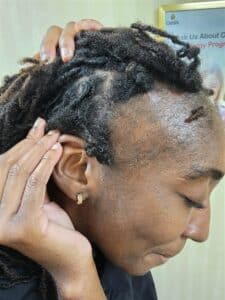
People of African descent, or Black people, for example, have the most unique hair texture and thus different grooming requirements. They also often experience certain types of hair loss such as Central Centrifugal Cicatricial Alopecia (CCCA) more frequently than other racial groups.
Asian Americans can experience hair loss differently because they have a lower hair density but greater hair diameter.
People with dark hair, which is more common in non-whites, are more affected by alopecia areata than people with blond hair.
Understanding these racial differences allows us to provide high quality care to people of all backgrounds.
As an internationally recognized African American dermatologist and hair loss expert with expertise in Black hair loss and more, Dr. Strachan provides effective diagnosis and treatment tailored to your needs.
We treat conditions such as:
- Traction alopecia
- CCCA
- Folliculitis Decalvans
- Alopecia Areata
- Androgenetic alopecia
- Frontal Fibrosing Alopecia
- Lichen planopilaris
- Postpartum shedding
- Lupus
- Ring worm (Tinea capitis)
- Telogen effluvium
- Trichotillomania (hair pulling)
Read:
Eczema, Psoriasis, and Inflammatory Skin Conditions
Inflammatory skin diseases often appear violet, gray, or dark brown rather than red in darker skin tones, which can delay diagnosis.
We manage:
-
Contact dermatitis
-
Cutaneous lupus and other autoimmune skin conditions
Skin Cancer in Skin of Color
Yes, even people with darker skin can get skin cancer.
Sun induced skin cancer is less common but more deadly in people with skin of color due to delayed diagnosis. Melanoma more commonly presents on the hands and feet (acral lentigenous melanoma). People with dark skin may have benign dark bands on their nails (melanonychia striata) which might indicate cancer in people with lighter skin.
And certain types of skin cancer are more common in people of color, such as cutaneous T-cell lymphoma, dermatofibrosarcoma protuberans (DFSP) which can look like a keloid, and squamous cell carcinoma of the skin not caused by the sun.
Dr. Strachan emphasizes:
-
Full-body skin exams
- Regular sun protection and suncreen use
-
Recognition of atypical presentations
-
Education on high-risk areas (palms, soles, nails, mucosa)
-
Early biopsy when indicated
Cosmetic Dermatology for Dark Skin
People of different ethnic backgrounds age differently and have different cosmetic concerns and preferences. There are also different safety concerns depending on skin type and color. At Aglow Dermatology our team is knowledgeable about all skin types, especially skin of color. Dermatological procedures must be appropriate for patients of color to avoid pigment issues or scarring. Aglow Dermatology delivers cosmetic dermatology for skin of color using state-of-the-art technology and extensive expertise.
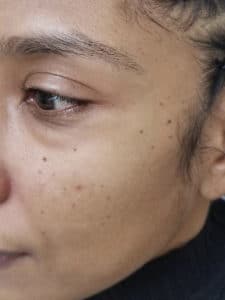
Our offerings include:
- Dermatosis papulosa nigra (DPN) removal
- Aerolase® laser treatments
- RF microneedling
- VI Peel and other custom chemical peels
- Laser hair removal for dark skin
We understand that aging looks different in every ethnic group. Your skin deserves care that celebrates its unique beauty.
Featured in: The Black Beauty Effect on Netflix, AARP: Clichés About Aging That Are True
How We Treat Skin of Color Safely and Effectively
Our treatment plans are tailored to reduce inflammation, protect pigment, and preserve long-term skin health.
Treatment options may include:
-
Carefully selected topical therapies
-
Oral medications when appropriate
-
Chemical peels formulated for darker skin tones
-
Laser and energy-based treatments chosen with pigment safety in mind
-
Scar-modifying injections and procedures
-
Preventive skincare and maintenance plans
Every treatment decision is made with melanin safety as a priority.
Why Choose Dr. Dina Strachan for Skin of Color Dermatology
Dr. Dina Strachan is widely recognized for her expertise and advocacy in dermatology for skin of color.
She is:
-
Board-certified by the American Board of Dermatology
-
A graduate of Harvard University and Yale School of Medicine
- Trained at the University of California, San Franciso
-
A faculty member at NYU School of Medicine
-
Frequently featured in national media including Netflix, Essence, and Yahoo
- Founder of Find A Black Doctor
-
A trusted expert for patients seeking culturally competent, evidence-based care
Her clinical experience spans thousands of patients with diverse skin tones, hair types, and dermatologic concerns.
What to Expect at Your Visit
-
A comprehensive skin, hair, or scalp evaluation
-
Accurate diagnosis tailored to skin of color
-
Clear explanation of treatment options
-
A personalized plan focused on both results and prevention
-
Education on skincare, sun protection, and long-term maintenance
Frequently Asked Questions (FAQ)
Is a dermatologist trained in skin of color really necessary?
Yes. Skin conditions can look very different in darker skin tones, and treatments that work well in lighter skin may cause pigment changes or scarring in skin of color if not chosen carefully.
Can dark spots and hyperpigmentation be permanently treated?
Hyperpigmentation can often be significantly improved, but recurrence is common without proper maintenance. Treating the underlying cause and using pigment-safe strategies is essential.
Are lasers safe for darker skin?
Some lasers are safe, others are not. The key is device selection, settings, and provider expertise. Dr. Strachan uses technologies and protocols appropriate for skin of color.
Do people with skin of color really get skin cancer?
Yes. While less common, skin cancer in people with skin of color is often diagnosed later and can be more dangerous. Regular skin exams are important.
Do you treat hair loss in Black women?
Absolutely. Hair loss conditions such as CCCA and traction alopecia are a major focus of our practice.
Do you accept insurance?
Insurance acceptance varies by plan and service. Our office staff can help clarify coverage prior to your visit. Learn more here.
Schedule a Consultation with a skin of color specialist
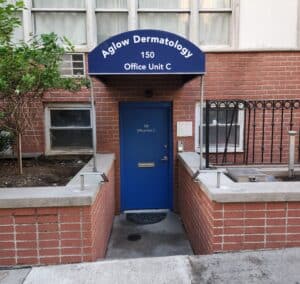
If you are looking for expert dermatologic care for skin of color in New York City, we invite you to schedule a consultation at Aglow Dermatology. Dr. Strachan is also licensed in Connecticut and West Virginia. She offers virtual dermatology appointments if you are unable to travel to her Manhattan office.
Your skin deserves knowledgeable, respectful, and specialized care.
Call 212-627-1004. Or fill out our online contact form to schedule your consultation with Aglow Dermatology in New York City.