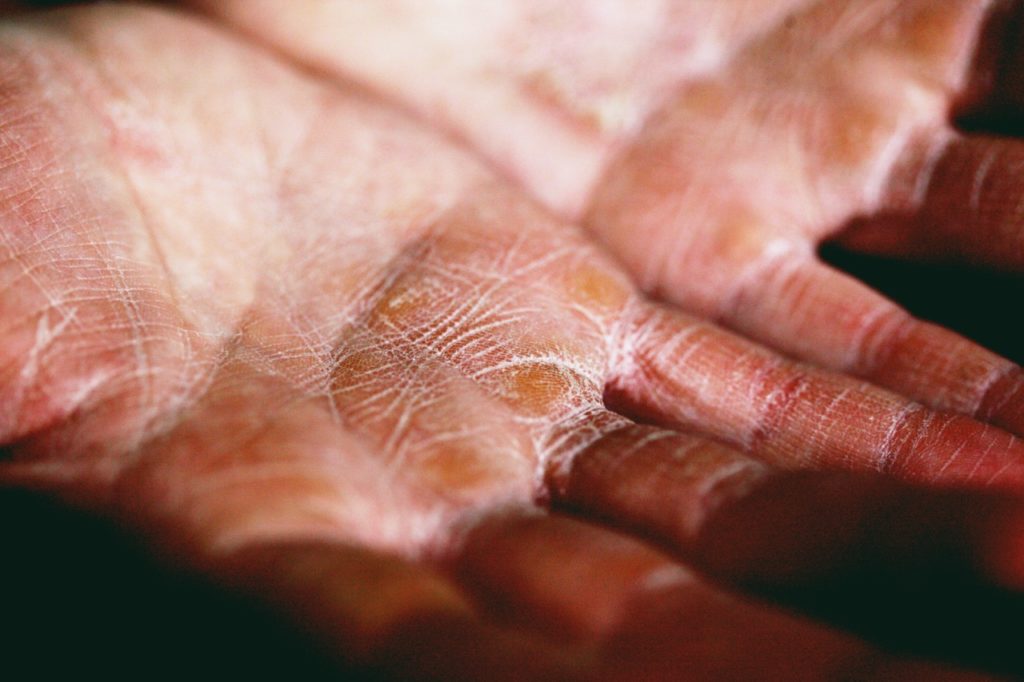
Eczema, or atopic dermatitis, is a skin condition in which people have naturally drier skin that is predisposed to developing a rash. Eczema is a chronic condition that is sometimes absent and sometimes flares up. Much of the time eczema flares are caused by conditions that we can control or react to. If the eczema is severe one may need to get a prescription treatment from a board-certified dermatologist, however, here are some things you should know about what flares up eczema.
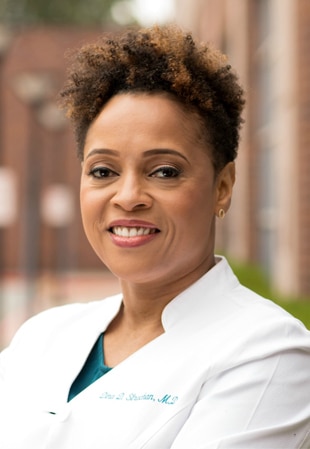
Medically Reviewed by board-certified dermatologist Dr. Dina Strachan We cut through the marketing hype to bring you products with proven active ingredients. Every item is reviewed by our clinical team for safety and efficacy—we strictly recommend products we would prescribe to our own patients.
Note: This content is for education and does not replace a medical evaluation. Aglow Dermatology may earn a commission if you purchase through our links, which supports our free educational content.
1. You don’t moisturize
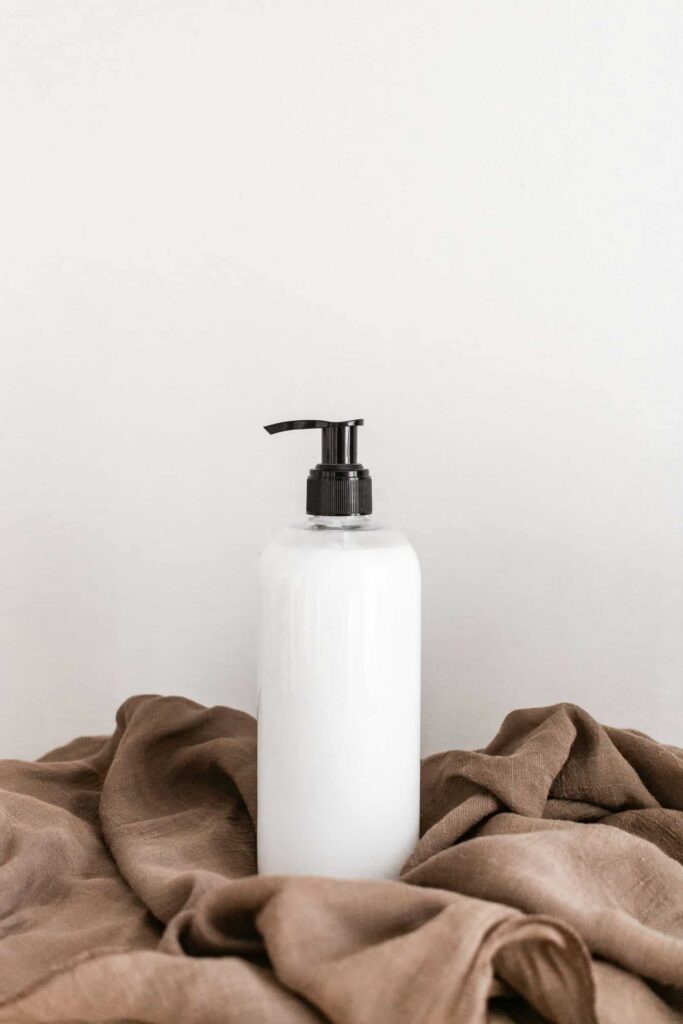
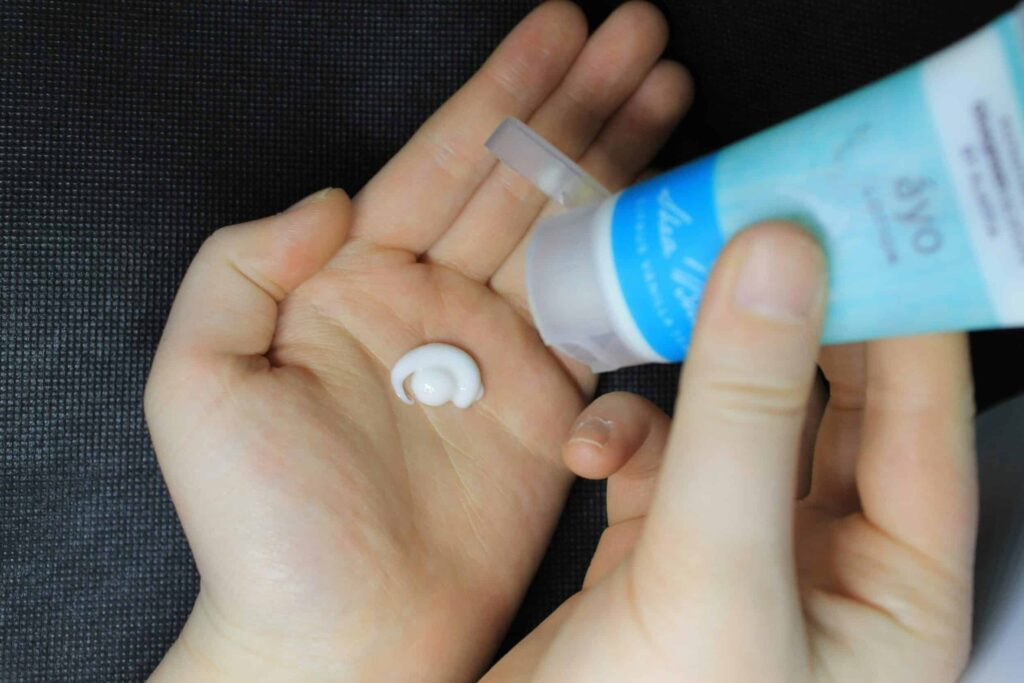
A a common reason eczema flares up is because a person’s skin is dry. People with atopic dermatitis have naturally drier skin. Anyone, however, can get an eczema flare-up if their skin gets dry enough. Moisturizing, especially after taking a bath or shower, is an important part of the treatment for an eczema flare-up because it helps seal the water in the skin. In the media: Dr. Strachan discusses sluging (opens in new tab) a TikTok (opens in new tab) trend.
2. The eczema is on your hands
Eczema flares up on the hands is a very common problem, especially for people who work in healthcare, food services, and new parents as they wash their hands frequently. Frequent hand washing strips the oil from the skin which allows the water in the skin to evaporate. Ha Although we encourage hand washing, it’s important to apply moisturizer to the hands frequently–especially after hand washing.

3. It’s winter
Eczema flares up more in the winter. Why? Because eczema flares up when the skin gets dry and winter creates these conditions. Dry, cold air outside, dry warm air from artificial heat, and lingering in a hot shower or bath create dry skin that causes an eczema flare. The initial treatment for this type of eczema flare-up is to practice gentle skin care: bathe not more than once a day, use gentle cleansers, moisturize, and use a humidifier. Shop: Dermatologist recommended winter skin care (opens in new tab)
4. You have allergies
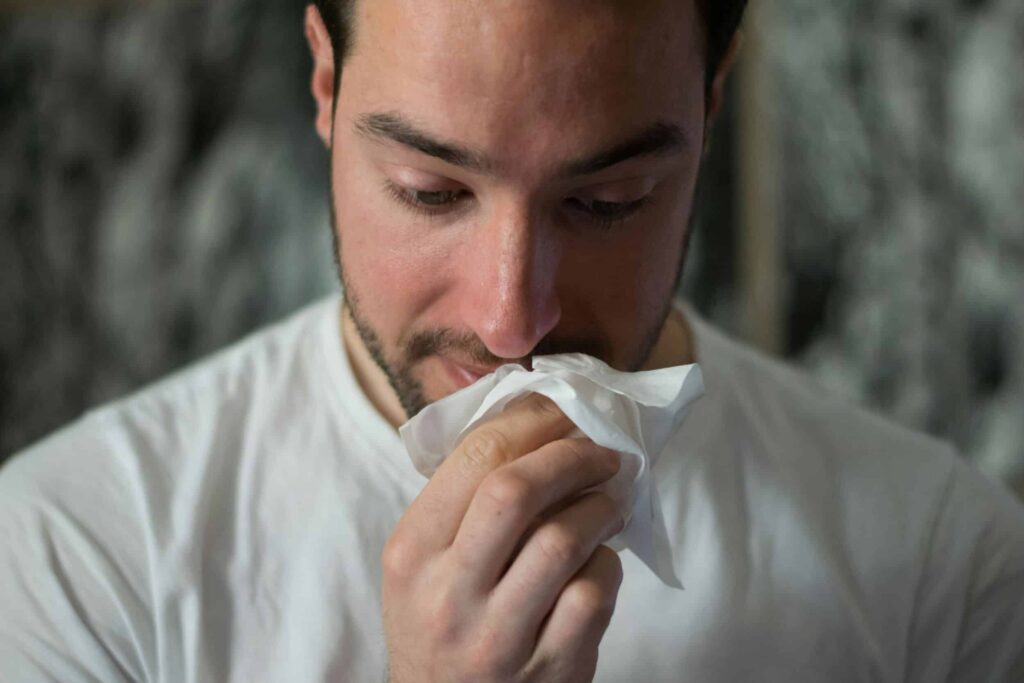
Although eczema itself isn’t an allergy, people with eczema are more like to have food, environmental and contact allergies. You may want to get allergy testing services.Shop: Dermatologist recommended allergy care products (opens in new tab).

5. It’s a summer eczema flare
We talk about eczema flaring in the winter, but does eczema flare-up in the heat? For some people, the extreme humidity and sweating in hot summer months cause eczema flares- especially in the folds of the neck and armpits. The excess moisture breaks down the skin barrier leading to an eczema flare. Keep your body folds dry.
6. You overuse products
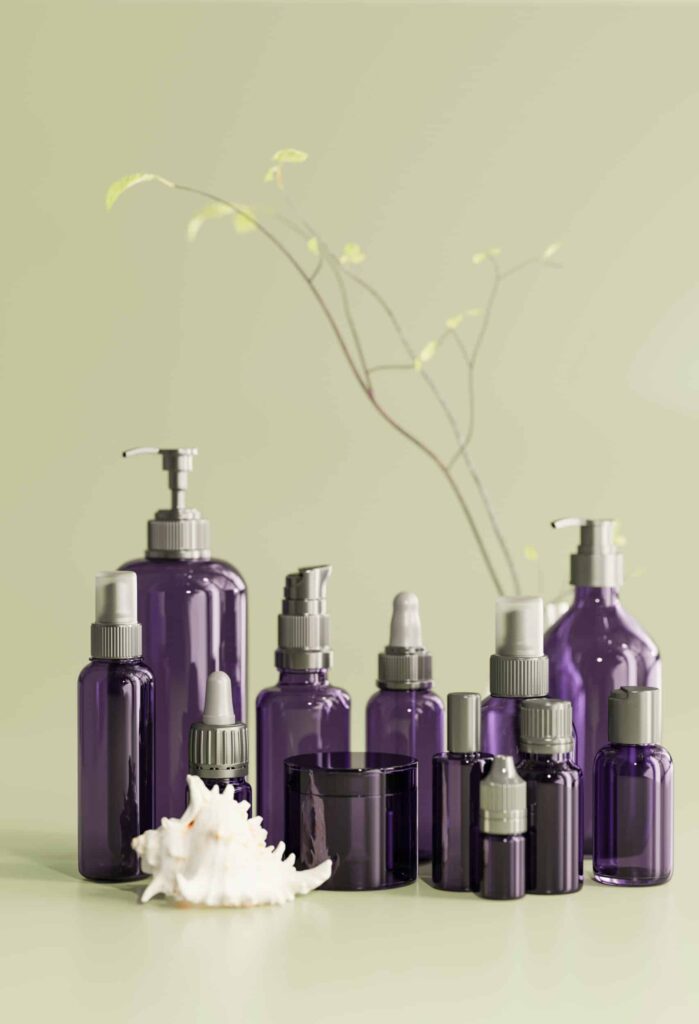
What flares up eczema? Overuse of skin care products. Although it is good to use a gentle cleanser and a moisturizer to prevent eczema flares, using too many products on the skin can cause irritation and allergies leading to eczema flares. If you have eczema it is best to keep things simple. Be intentional with skin care products. Avoid products with fragrances. Try to keep things minimal. Check out dermatologist recommended products (opens in new tab) here!

7. You are a newborn
If you just emerged from the aquatic environment of your mother’s uterus, you are more likely to have an eczema flare-up, Baby (pardon the pun)! Newborn skin has to adjust to the dry, dry world. This is why many people with eczema initially present in the newborn period and eczema improves over time. Babies with eczema need gentle skin care, and a good dermatologist if a moisturizer isn’t enough.

Bonus: You smoke- Even second had smoke is associated with eczema flares. Related: Does smoking affect your skin?
Conclusion: Our board-certified dermatologist can help!
If you need help managing your eczema or other skin condition our board-certified dermatologist can help. Make an appointment at Aglow Dermatology here.