Folliculitis Decalvans – Causes, Symptoms & Treatment
Some scalp diseases cause inflammation that permanently damages hair follicles. Evaluation and dermatologic treatment are available at Aglow Dermatology in New York City, where board-certified dermatologist Dina M. Strachan, MD, treats patients with scarring hair loss disorders such as folliculitis decalvans.
What is Folliculitis Decalvans?
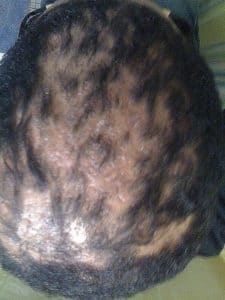
Folliculitis decalvans is a rare, chronic inflammatory scalp condition that leads to scarring hair loss (cicatricial alopecia). It is characterized by redness, pustules, crusting, and follicular inflammation, often resulting in permanent hair loss due to follicular destruction.
Who is Most Commonly Affected?
-
Adults and young adults, typically males–especially African American men.
-
Individuals with a history of scalp infections or inflammatory skin conditions.
-
People with a genetic predisposition to cicatricial alopecia.
What are the Symptoms?
-
Clusters of pustules and inflamed hair follicles on the scalp.
-
Progressive hair loss, often in patches.
-
Itching, burning, or tenderness in affected areas.
-
Crusting and scabbing on the scalp.
-
Scarring, leading to permanent hair loss over time.
What Causes Folliculitis Decalvans?
- Bacterial Infection: Staphylococcus aureus is commonly involved in triggering inflammation.
- Abnormal Immune Response: The immune system mistakenly attacks hair follicles.
- Genetic Factors: A predisposition may play a role in some individuals.
How is it Diagnosed?
-
Clinical Examination: A dermatologist assesses scalp lesions and hair loss patterns.
-
Individuals with a history of scalp infections or inflammatory skin conditions.
-
Bacterial Culture: Determines if Staphylococcus aureus or other bacteria are present.
What are the Treatment Options?
-
Antibiotic Therapy:
Oral antibiotics (e.g., tetracyclines, clindamycin, rifampin) help reduce bacterial involvement and inflammation.
-
Anti-Inflammatory Treatments:
Topical or oral corticosteroids can help suppress immune overactivity.
-
Immunomodulatory Medications:
Dapsone or isotretinoin (opens in new tab) may be options in severe cases. Some believe isotretinoin (Accutane) is the best treatment.
-
Antiseptic Shampoos:
Chlorhexidine or ketoconazole shampoos may help reduce bacterial colonization.
-
Laser Therapy or Surgery:
In advanced cases, laser treatments or hair transplantation may be options.
Can Folliculitis Decalvans Be Prevented?
-
Early treatment can slow progression and minimize permanent hair loss.
-
Good scalp hygiene and avoiding excessive scratching or irritation can help reduce flare-ups.
-
Regular follow-ups with a dermatologist ensure proper management.
Frequently Asked Questions (FAQs)
No, it is not contagious, though bacteria may contribute to its development.
Unfortunately, once scarring occurs, hair does not regrow. Early treatment can help preserve existing hair.
Stress, bacterial overgrowth, and immune system dysfunction may contribute to worsening symptoms.
When to See a Dermatologist
If you experience persistent scalp redness, pustules, or progressive hair loss, seek a dermatologist’s care. Early diagnosis and treatment can slow the condition’s progression and help manage symptoms.
Next Steps & How to Get Treatment
If you suspect folliculitis decalvans, schedule an appointment with our hair loss dermatologist for an evaluation. With the right treatment plan, symptoms can be managed, and further hair loss may be minimized. Learn about our telehealth for hair loss services!