
Hair Loss Treatments for Men: Why It’s More Than “Just Balding”
For many men, noticing a receding hairline or thinning crown feels like an inevitable rite of passage. Society often treats hair loss in men as “normal balding,” something men are simply expected to accept.
But hair loss is actually a medical condition with many possible causes, and effective hair loss treatments for men depend on making the correct diagnosis first.
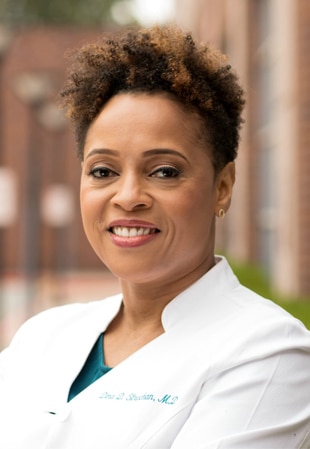
At Aglow Dermatology in New York City, board-certified dermatologist Dr. Dina Strachan evaluates and treats many types of hair loss in men—from common male pattern baldness to complex inflammatory and scarring scalp disorders that are often missed by online hair-loss programs.

If you’re experiencing hair loss, the most important step is identifying the cause, because different types of hair loss require completely different treatments.
Is Hair Loss the Same as Balding?
Not exactly.
“Alopecia” is the medical term for hair loss of any kind.
“Balding,” on the other hand, usually refers specifically to androgenetic alopecia, also known as male pattern baldness.
Many men assume that all hair loss is male pattern baldness, but dermatologists regularly diagnose multiple different causes of hair loss in men, including autoimmune conditions, inflammatory disorders, infections, and temporary shedding disorders.
Some causes are temporary, while others can lead to permanent hair loss if not treated early.
This is why evaluation by a board-certified dermatologist is essential before starting treatment.
Common Causes of Hair Loss in Men
Although male pattern baldness is common, men can develop several different types of alopecia.
Androgenetic Alopecia (Male Pattern Baldness)
This is the most common cause of hair loss in men.
It is driven by genetics and hormones, particularly sensitivity of hair follicles to dihydrotestosterone (DHT).
Typical features include:
- Receding hairline
- Thinning at the temples
- Thinning at the crown
- Gradual miniaturization of hair follicles
Because the process is progressive, early treatment often leads to better results.
Telogen Effluvium
Telogen effluvium causes sudden diffuse shedding across the scalp.
It can make the hair appear dramatically thinner and sometimes resembles balding, but the hair follicles remain alive and regrowth is usually possible once the trigger is addressed.
Common triggers include:
- illness or surgery
- significant stress
- rapid weight loss
- thyroid disease
- iron deficiency
- medications
- syphilis
A dermatologist can help identify the cause and guide treatment.

Dissecting Cellulitis of the Scalp
Dissecting cellulitis is a painful inflammatory scalp condition that causes:
- tender nodules
- pustules
- drainage
- scarring hair loss
It occurs more commonly in men. Dissecting cellulitis belongs to the follicular occlusion tetrad, which includes:
-
Dissecting cellulitis of the scalp
-
Hidradenitis suppurativa
-
Acne conglobata
-
Pilonidal disease
Without proper treatment, it can lead to permanent hair loss, making early dermatologic care important.
Folliculitis Decalvans
Folliculitis decalvans is a chronic inflammatory scalp condition that causes scarring hair loss. It is seen more often in men and typically affects young to middle-aged adults.
Folliculitis Decalvans can look like dissecting cellulitis. The condition causes inflammation around hair follicles, leading to symptoms such as:
- follicular pustules
- redness and crusting of the scalp
- itching or burning
- tufted hairs, where multiple hairs grow from a single follicle
Over time, this inflammation can destroy hair follicles and lead to permanent hair loss if not treated early.
Folliculitis decalvans can occur in people of all backgrounds, but inflammatory scalp disorders are sometimes underdiagnosed in patients with skin of color, where they may be confused with conditions such as acne keloidalis nuchae or dissecting cellulitis.
Because scarring alopecias require early treatment to preserve hair follicles, evaluation by a dermatologist experienced in hair and scalp disorders is important.
Central Centrifugal Cicatricial Alopecia (CCCA)
CCCA is a scarring form of hair loss that begins at the crown and spreads outward. Because of the coronal location, this condition may be assumed to be male pattern baldness. Symtpoms at the affected area should raise suspicion. This type of hair loss is more common in African Americans.
Although often discussed in women, men can develop CCCA as well.
Symptoms may include:
- itching
- burning
- scalp tenderness
- progressive thinning at the crown
Because this is a scarring alopecia, early diagnosis and treatment are critical to prevent permanent follicle destruction.
Dr. Strachan has particular expertise in diagnosing and treating scarring alopecias and hair disorders in people with textured hair, conditions that are frequently misdiagnosed.
Alopecia Areata
Alopecia areata is an autoimmune condition that causes sudden hair loss in smooth round patches.
It can affect men and boys of all ages.
Because men often wear their hair shorter, these patches may be more visible and distressing.
Treatment can often help stimulate regrowth and control the immune response.
Why Accurate Diagnosis Matters
Many online hair-loss programs assume that every man has male pattern baldness.
However, if the true diagnosis is something else—such as CCCA, dissecting cellulitis, alopecia areata, or telogen effluvium—those treatments may not work and valuable time may be lost.
Dermatologists specialize in diagnosing hair and scalp disorders and may use tools such as:
- scalp examination
- dermoscopy
- medical history
- laboratory testing
- scalp biopsy when necessary
Correct diagnosis is the foundation of effective hair loss treatment for men.
Hair Loss Treatments for Men
Treatment depends on the specific cause of hair loss, but dermatologists may use a combination of medical therapies and advanced procedures.
Medical Treatments
Minoxidil
Topical or oral minoxidil can stimulate hair growth and slow hair loss in many patients.
Finasteride
Finasteride (Propecia) reduces the conversion of testosterone to DHT, helping prevent follicle miniaturization in androgenetic alopecia.
Because of safety considerations, this medication is used more commonly in men than women.
Anti-Inflammatory Medications
For inflammatory and scarring hair loss conditions, dermatologists may prescribe medications to reduce inflammation and protect hair follicles.
Platelet-Rich Plasma (PRP)
PRP therapy uses your own blood-derived growth factors to stimulate hair follicles.
This procedure may help improve hair density in some patients with androgenetic alopecia.
Alma TED Hair Restoration
Aglow Dermatology offers Alma TED, an ultrasound-based hair restoration treatment that delivers hair-growth ingredients into the scalp without needles.
This treatment can complement medical therapies and improve scalp health.
Low-Level Laser Therapy
Low-level laser devices may stimulate cellular activity in the scalp and support hair growth in certain patients.
Related: Dermatologist Recommended Hair Loss Caps
Hair Transplant
Hair transplant is when hair follicles from one part of the body are removed and transplanted into an area of hair loss. Although people may think this is the ultimate “one and done” option, a hair transplant is not the solution for everyone. Even after the surgery, depending on the diagnosis, there may be a need for medical maintenance.
FAQ
When Should Men See a Dermatologist for Hair Loss?
Men should seek medical evaluation if they notice:
- rapid hair shedding
- scalp pain, itching, or burning
- patches of hair loss
- thinning at the crown
- sudden change in hair density
Early diagnosis often allows for more treatment options and better outcomes.
Why See a Dermatologist Instead of an Online Hair-Loss Program?
Many direct-to-consumer hair-loss companies offer convenient treatment kits, but they typically assume the diagnosis without examining the scalp.
A board-certified dermatologist can:
- determine the exact cause of hair loss
- identify inflammatory or scarring conditions
- tailor treatment to the individual patient
- monitor progress and adjust therapy
This approach often leads to more effective and safer treatment.
Expert Care for Hair Loss in Men
At Aglow Dermatology, Dr. Dina Strachan provides comprehensive evaluation and treatment of hair and scalp disorders.
With more than two decades of dermatology experience, she specializes in diagnosing complex hair loss conditions, including scarring alopecias and disorders affecting textured hair that are frequently overlooked.
Located in New York City, Aglow Dermatology offers both in-person visits and telemedicine consultations for patients seeking expert care for hair loss.
If you’re experiencing hair thinning or shedding, schedule a consultation to discuss personalized hair loss treatment options for men.