

Sunscreen for Dark Skin: Dermatologist Recommended Options
That Don’t Leave a White Cast
Medically reviewed by Dr. Dina Strachan, board-certified dermatologist, Aglow Dermatology (NYC)
Finding the right sunscreen for dark skin can be frustrating. Many formulas leave a white cast, making skin look ashy, gray, or unnatural.
But skipping sunscreen is not an option.
Daily sun protection is essential to prevent:
- Hyperpigmentation
- Melasma
- Uneven skin tone
- Premature aging
- Skin cancer (often diagnosed later in darker skin)
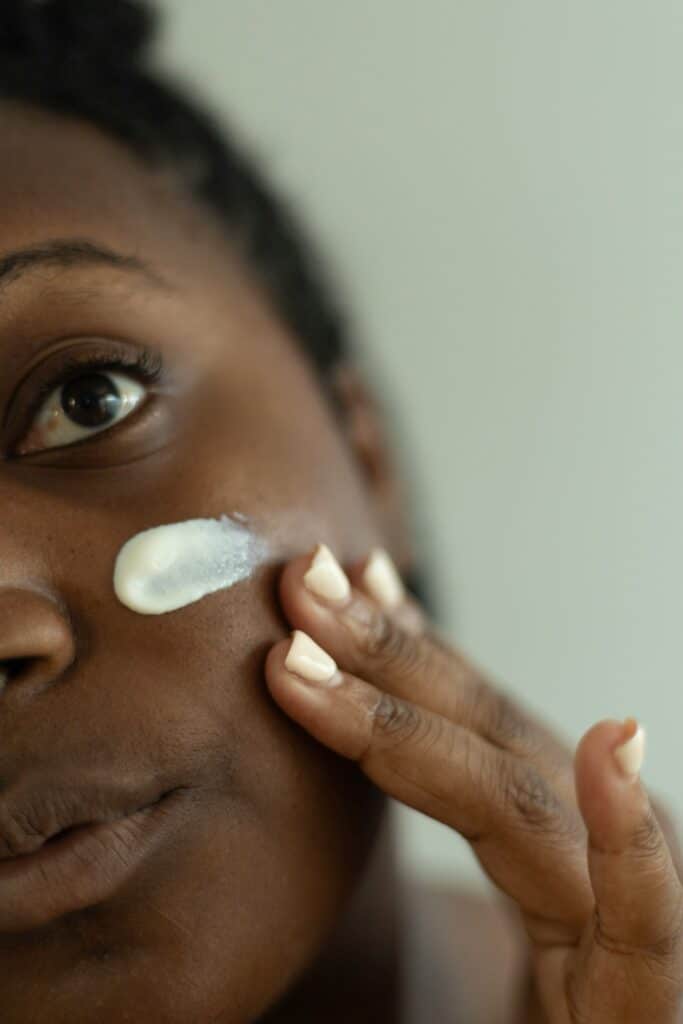
At Aglow Dermatology, we focus on sunscreens that actually work on melanin-rich skin—meaning they blend seamlessly, feel good on the skin, and protect against both UV and visible light.
Affiliate Disclosure: This page contains affiliate links. All products are selected based on clinical experience and ingredient review. We only recommend products we trust for our patients.
Got melasma? Melasma affects people with dark skin more commonly and has unique sunscreen recommendations. Check out: Dermatologist Recommended Sunscreen for Melasma!
Here’s a high-performing, SEO-optimized section you can drop directly into your page. It’s written to rank, educate, and reinforce your authority.
Why Sunscreen Looks White on Dark Skin
One of the most common reasons people with deeper skin tones avoid sunscreen is the white or “ashy” cast that some formulas leave behind. This isn’t a cosmetic flaw—it’s rooted in how certain sunscreen ingredients interact with light.
The Role of Zinc Oxide and Titanium Dioxide
Mineral sunscreens use zinc oxide and titanium dioxide to block ultraviolet (UV) radiation. These ingredients sit on top of the skin and act like tiny mirrors, reflecting and scattering UV rays away from the skin.
The issue is that these minerals are naturally white powders. When they are not finely milled or properly formulated, they can remain visible on the surface—especially on darker skin tones where contrast is more noticeable.
Even with modern “micronized” or “nano” formulations, some mineral sunscreens can still leave a visible residue if the formulation isn’t optimized for deeper skin tones.
How Light Scattering Creates a White Cast
The white cast you see isn’t just the color of the ingredients—it’s also due to light scattering.
When zinc oxide and titanium dioxide particles sit on the skin, they scatter visible light in all directions. On lighter skin, this may blend in. On darker skin, this scattered light creates a gray, purple, or chalky appearance.
This is why some sunscreens look fine in the bottle but appear ashy once applied.
Why Tinted Sunscreen Works Better for Dark Skin
Tinted sunscreens are often the best solution for avoiding a white cast.
These formulas contain iron oxides, which add pigment that helps the sunscreen blend seamlessly into the skin. Instead of reflecting light in a way that looks white or gray, tinted sunscreens absorb and balance visible light, making them much more cosmetically elegant on darker skin tones.
As an added benefit, iron oxides also help protect against visible light, which can worsen conditions like hyperpigmentation and melasma—common concerns in skin of color.
What This Means for Choosing the Right Sunscreen
If you have darker skin and want a sunscreen that looks good and works well:
- Look for tinted formulas, especially if you’re using mineral sunscreen
- Choose sheer or invisible chemical sunscreens if you prefer no tint
- Avoid thick, opaque mineral formulas unless they are specifically designed for deeper skin tones
The best sunscreen is the one you’ll actually wear every day—and for many people with darker skin, that means no white cast, no compromise.
🏆 Best Sunscreen for Dark Skin (Dermatologist Picks)
These products are curated from our official collection. This is a partial list. Complete recommendations can be viewed on the following retail sites:
👉 Shop on ShopMyShelf:
👉 Shop on Amazon!
Each option is selected for:
- No white cast
- Broad-spectrum SPF protection
- Compatibility with skin of color
Black Girl Sunscreen – SPF 30 for Face and Body
Best for everyday wear on deeper skin tones
- Hybrid formula (mineral + chemical filters)
- Completely clear finish
- Hydrating with jojoba + cacao
💡 A top recommendation because it melts into darker skin without residue
EltaMD UV Clear Broad-Spectrum SPF 46
Best for acne and hyperpigmentation
- Contains niacinamide (helps even tone)
- Lightweight, non-greasy
- Excellent for sensitive or acne-prone skin
Supergoop! Unseen Sunscreen SPF 40
Best invisible sunscreen for dark skin
- 100% clear gel formula
- Works as a makeup primer
- No residue, no scent
💡 Clear sunscreens like this are ideal because they avoid the white cast common with mineral filters
La Roche-Posay Anthelios Mineral Tinted SPF 50
Best sunscreen for melasma and dark spots
- Contains iron oxides (protect against visible light)
- Tinted to prevent chalky appearance
- Lightweight, matte finish
Aveeno Positively Radiant SPF 30
Best budget sunscreen for dark skin
- Moisturizer + SPF in one
- Soy complex helps brighten uneven tone
- Affordable daily option
InnBeauty Project Mineral Sun Glow SPF 43
Best mineral sunscreen without white cast
- Flexible tint options
- Provides a natural glow
- Designed specifically to avoid chalkiness
- Mineral sunscreen is a great choice for melasma

Why Sunscreen Is Essential for Dark Skin
Melanin Is Not Enough Protection
While darker skin has more melanin, it does not fully protect against UV damage.
Sun exposure contributes to:
- Dark spots and discoloration
- Worsening melasma
- Fine lines and aging
- Skin cancers diagnosed at later stages
Hyperpigmentation Is the #1 Concern
For patients with skin of color, the biggest issue is not burning—it’s pigment changes.
UV + visible light → stimulates melanocytes → leads to:
- Persistent dark spots
- Uneven tone
- Hard-to-treat discoloration
How to Choose the Best Sunscreen for Dark Skin
1. Look for “No White Cast” Formulas
Choose:
- Chemical sunscreens
- Hybrid sunscreens
- Tinted mineral sunscreens
Avoid thick zinc-heavy formulas unless tinted.
2. Use Tinted Sunscreen for Pigment Issues
If you have:
- Melasma
- PIH
- Uneven tone
→ Choose tinted SPF with iron oxides
These help block visible light, which worsens pigmentation.
3. Use SPF 30 or Higher Daily
- SPF 30 = minimum
- SPF 46–50 = ideal for pigmentation concerns
- Reapply every 2 hours outdoors
Common Mistakes With Sunscreen for Dark Skin
- ❌ “I don’t need sunscreen because I don’t burn”
- ❌ Only using sunscreen at the beach
- ❌ Not applying enough
- ❌ Skipping reapplication
Consistency matters more than anything.
Shop Dermatologist-Recommended Sunscreen for Dark Skin
Browse the full curated collections here:
👉 Shop on ShopMyShelf:
👉 Shop on Amazon!
This collection includes:
- Invisible sunscreens
- Tinted sunscreens for hyperpigmentation
- Lightweight daily SPF options
- Dermatologist-tested products for melanin-rich skin
Frequently Asked Questions (FAQ)
What is the best sunscreen for dark skin?
The best sunscreen for dark skin is one that:
- Leaves no white cast
- Provides broad-spectrum protection
- Is comfortable enough for daily use
Popular options include Black Girl Sunscreen, EltaMD UV Clear, and Supergoop Unseen.
Why does sunscreen leave a white cast on dark skin?
White cast is usually caused by:
- Zinc oxide
- Titanium dioxide
These mineral ingredients sit on the skin and reflect light, which can appear chalky on darker tones. These are the ingredients commonly found in make-up foundation.
Is mineral or chemical sunscreen better for dark skin?
- Chemical sunscreens: more likely to be invisible
- Mineral sunscreens: better for melasma and sensitive skin but may need tint
Best option: hybrid or tinted mineral sunscreen
Do people with dark skin really need sunscreen?
Yes. Everyone needs sunscreen.
Even without burning, UV exposure can cause:
- Hyperpigmentation
- Aging
- Skin cancer
Does sunscreen help with dark spots?
Yes. Sunscreen is essential to:
- Prevent worsening pigmentation
- Maintain results from treatments
- Protect against visible light damage
Looking for a dermatologist who is an expert in skin of color? Schedule an appointment with our board-certified dermatologist Dr. Dina Strachan here!