The Ultimate Dry Lip Treatment Guide
If you’ve ever dealt with the stinging, peeling, or cracking of chapped lips, you know it’s more than just a minor annoyance—it’s painful. Many people don’t realize that your lips are actually an extension of your skin, but they are far more delicate. And like with other parts of your skin, dry lips lead to lip eczema.
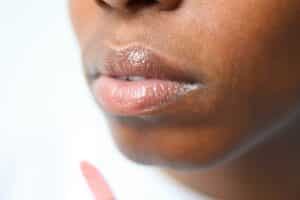
Because lips lack the traditional oil glands found on the rest of your face, they have no natural way to stay lubricated. Oil seals the water in the skin. This makes finding the right dry lip treatment essential for maintaining a healthy barrier. In this guide, we’ll explore the science of lip care and the best products to keep your pout hydrated.
Disclaimer: This content has been medically reviewed by our dermatologist, Dr. Dina Strachan. The information provided is for educational purposes and is not intended as medical advice. If you have a persistent lip rash or sores that won’t heal, please consult a healthcare professional. This post contains affiliate links. If you click through and make a purchase, I may receive a small commission at no extra cost to you. This helps support the content we create.
What is acne keloidalis nuchae (AKN)?
Understanding why your lips are flaking is the first step toward fixing them. Several common factors contribute to the breakdown of the lip barrier:
-
The Winter Season: Cold, outdoor air and dry, indoor heating are a recipe for disaster. This environment saps moisture from the skin, leading to chronic dry lips.
-
The Licking Habit: It’s tempting to lick dry lips for temporary relief, but saliva contains digestive enzymes that actually eat away at the protective layer of your lips. As the saliva evaporates, it takes the lips’ internal moisture with it.
-
-
The Licking Habit: It’s tempting to lick dry lips for temporary relief, but saliva contains digestive enzymes that actually eat away at the protective layer of your lips. As the saliva evaporates, it takes the lips’ internal moisture with it.
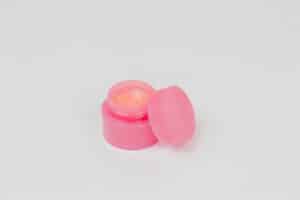
The Secret Weapon: Occlusive Moisturizers
Since your lips don’t produce their own sebum (oil), you have to provide a synthetic version of it. This is where occlusive moisturizers (opens in new tab) come in.
An occlusive is a heavy-duty ingredient that sits on top of the skin to create a physical barrier. This “seal” prevents water from escaping into the air—a process known as Transepidermal Water Loss (TEWL). By using an occlusive lip balm, you are essentially “locking in” hydration and protecting the delicate tissue from harsh elements like wind and cold.
Your Daily Lip Care Routine
To keep your lips soft, you need a strategy that goes beyond just applying product when they hurt.
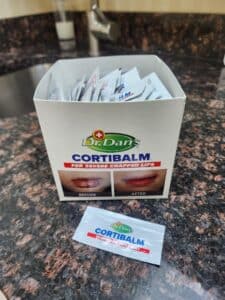
Moisturize After Brushing: Toothpaste often contains mint and SLS, which are notoriously drying. Always apply a dry lip treatment immediately after brushing your teeth to restore the moisture barrier.
Layer During the Day: Keep a hydrating lip balm with you at all times. If you are outdoors, ensure your treatment has a thick consistency to block the wind.
Nightly Repair: Apply a thick layer of an occlusive treatment before bed. This acts as a “lip mask” that repairs the skin while you sleep.
Expert Recommendations: Dry Lip Treatments
Finding the right product shouldn’t be a guessing game. To make it easy, we have curated a list of dermatologist-approved dry lips treatments that focus on barrier repair and deep hydration. This list includes lip balms, lip masks, and a medicated lip balm with a mild topical steroid for lip eczema.
Shop on: ShopMyShelf (opens in new tab) or Amazon (opens in new tab)
In this curated selection, you’ll find products specifically chosen for their ability to soothe eczema, combat winter dryness, and provide that essential occlusive seal.
Frequently Asked Questions
You should apply it whenever your lips feel dry, but specifically after eating, drinking, or brushing your teeth. Aim for at least 4-5 times a day for preventative care.
Yes! If you use cleansers with salicylic acid or benzoyl peroxide, try applying a thin layer of petroleum jelly to your lips before washing your face to act as a shield.
If you are using a medicated lip balm with menthol or camphor, you might be trapped in a cycle of irritation. Switch to a fragrance-free, occlusive treatment found in our recommended list above.
Have a a lip issues or other skin, hair or nail problem? Schedule an appointment with our board-certified dermatologist here!