

Dermatologist Recommended Dark Spot Correctors:
(Hydroquinone-Free Options That Actually Work)
Medically reviewed by board-certified dermatologist Dr. Dina Strachan
If you’re searching for a bleaching cream, fade cream, or brightening cream, what you’re really looking for is a dark spot corrector—a product designed to improve discoloration from melasma, sun damage, uneven skin tone, or post-inflammatory hyperpigmentation (PIH).
Dark spot correctors come in creams, serums, and other formulations, and work by targeting excess pigment in different ways—either by slowing pigment production, increasing skin cell turnover, or reducing inflammation. Hydroquinone is the most well-known ingredient in this category and is available in both over-the-counter and prescription strengths, but it is not the only option.
Many people are now seeking hydroquinone-free alternatives due to concerns about long-term use, uneven lightening, skin sensitivity, or a preference for more gradual, skin-supportive brightening.
Just as importantly, a dark spot corrector is not always the best first step. The right treatment depends on the cause of the discoloration—and in many cases, addressing the underlying issue, such as acne, irritation, or inflammation, is what allows dark spots to fade naturally.
This guide will help you understand when you actually need a dark spot corrector, how these products work, and which dermatologist-recommended options are worth considering.
Disclaimer: This page contains affiliate links for which we may receive a payment if you click.
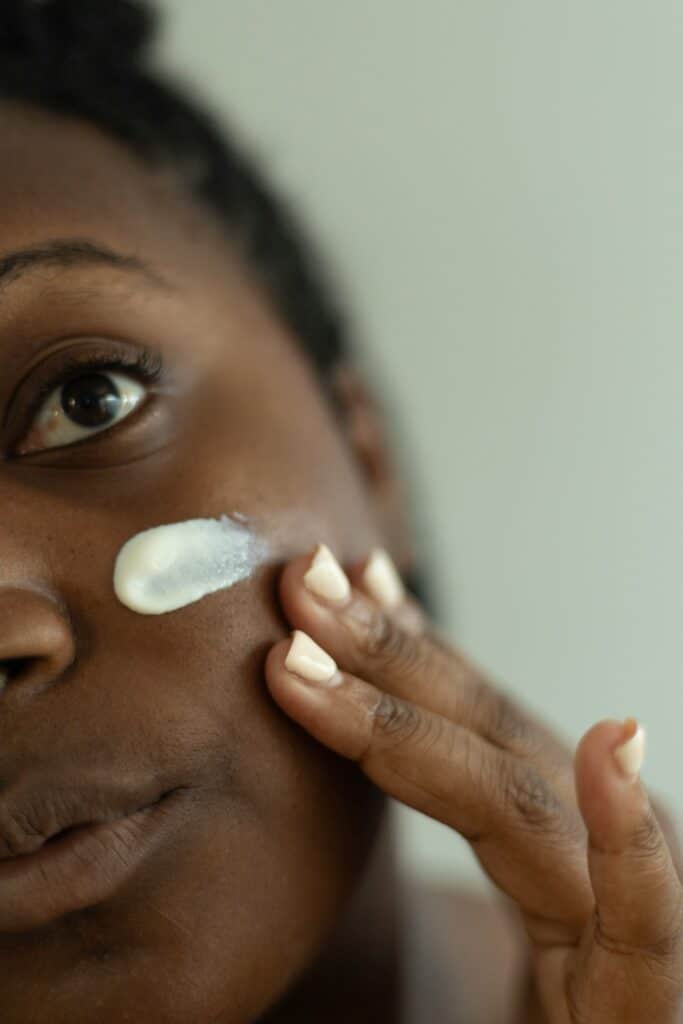
Before You Use a Bleaching Cream: Understand the Cause of Hyperpigmentation
Hyperpigmentation is not a single condition—it’s a symptom with different causes, and treatment depends on the underlying issue.
Common causes include:
- Acne (leading to post-inflammatory hyperpigmentation)
- Eczema or skin irritation
- Sun exposure
- Hormonal changes (melasma)
Why this matters:
- If you treat acne or eczema first, the dark marks may fade on their own
- If the underlying trigger continues, no fade cream will fully work
Many dark spots will gradually improve without treatment once the source of inflammation is controlled.

Post-Inflammatory Hyperpigmentation vs. Melasma
Understanding this distinction is critical:
Post-Inflammatory Hyperpigmentation (PIH)
- Caused by inflammation (acne, eczema, injury)
- Often fades over time once the trigger is controlled
- May not require long-term use of a bleaching cream
Melasma
- A chronic condition of hyperpigmentation
- Often triggered by hormones and UV/visible light
- Tends to recur, even after successful treatment
- More likely to require ongoing maintenance with pigment-correcting products
When Do You Actually Need a Bleaching Cream Alternative?
These treatments are most appropriate when:
- Pigmentation is persistent or not fading on its own
- Dark spots are severe or cosmetically distressing
- You are dealing with melasma or recurrent pigmentation
In these cases, dermatologists often recommend hydroquinone-free alternatives for safer long-term management.
Why Dermatologists Are Moving Away from Traditional Bleaching Creams
Hydroquinone has long been considered the gold standard for fading dark spots. However:
- It should only be used short-term (3–4 months)
- Can cause irritation or uneven lightening
- Rare risk of exogenous ochronosis, particularly in darker skin tones
Modern dermatologist-recommended fade creams target pigmentation through multiple pathways while supporting skin health.
Best Hydroquinone-Free Alternatives to Bleaching Cream
Note: These are products you can get without a prescription from your dermatologist. Still, it’s important to discuss what you are using with your dermatologist to avoid interactions with something else you may be using.
Shop the full line here!
1. Cysteamine: The Most Powerful Hydroquinone Alternative
- Best for: Melasma and stubborn pigmentation
- How it works: Reduces melanin production at multiple steps. Use it like a mask.
- Why it stands out: Comparable to hydroquinone without long-term risks
Top Picks:

2. Azelaic Acid: Best for Acne + Dark Marks
- Best for: Post-inflammatory hyperpigmentation and sensitive skin
- How it works: Targets abnormal pigment cells and reduces inflammation
- Bonus: Treats acne and rosacea simultaneously. Can be used in pregnancy.
Top Picks:
- The Ordinary Azelaic Acid Suspension 10%
- Topicals Faded Brightening and Clearing Serum (also contains kojic acid)
- Prescription strength is also available
3. Tranexamic Acid: Best for Melasma and Hormonal Pigment
- Best for: Melasma and sun-induced pigmentation
- How it works: Interrupts pigment signaling pathways
- Why it’s popular: Effective for stubborn, recurrent discoloration.
Top Picks:
-
Medicube TXA+Niacinamide 15% Glow Facial Serum for After Spot Care (Korean Skin care)
-
Naturium Tranexamic Topical Acid 5% (also contains kojic acid)
4. Kojic Acid + Vitamin C: Best for Brightening and Prevention
- Best for: Mild discoloration and maintenance
- How it works: Inhibits melanin production and provides antioxidant protection. Slower than hydroquinone. Better for long-term use.
Top Picks:

5. Melasyl™
- a newer, proprietary pigment-correcting ingredient developed by L’Oréal. It’s designed to reduce excess melanin production without the irritation risks associated with traditional bleaching agents like hydroquinone.
Bleaching Cream vs. Hydroquinone-Free Alternatives
| Feature | Traditional Bleaching Cream | Hydroquinone-Free Alternatives |
|---|---|---|
| Active Ingredient | Hydroquinone (2–4%) | Cysteamine, TXA, Azelaic Acid |
| Safety | Short-term only | Safe for long-term use |
| Side Effects | Irritation, halo effect, ochronosis risk | Lower irritation |
| Best Use | Rapid short-term lightening | Long-term pigment control |
How to Choose the Right Dark Spot Treatment
- Melasma: Cysteamine or Tranexamic Acid
- Acne-related PIH: Azelaic Acid
- Mild discoloration: Kojic Acid + Vitamin C
What matters most:
- Consistency (8–12 weeks minimum)
- Daily sun protection
Important Safety Note: Not All Dark Spots Should Be Treated at Home
Do not use bleaching creams on anything that could be a mole or unusual pigmented lesion.

If a spot is:
- New or changing
- Raised
- Irregular in shape or color
- Bleeding or symptomatic
You should be evaluated by a board-certified dermatologist before using any lightening treatment.
Why Sunscreen Is Non-Negotiable
No bleaching cream or fade treatment will work without sun protection.
- Use SPF 30+ daily
- Reapply every 2 hours outdoors
- Consider tinted sunscreen for protection against visible light (especially in skin of color)
Final Verdict: Do You Really Need a Bleaching Cream?
Often, the answer is no—at least not right away.
Start by:
- Identifying and treating the underlying cause
- Allowing time for natural fading
- Using targeted treatments only when needed
For persistent or severe pigmentation, hydroquinone-free alternatives offer effective, safer long-term solutions.
FAQ: Bleaching Cream Alternatives
Do all dark spots need a dark spot corrector?
No. Many fade naturally once the underlying cause (like acne or irritation) is controlled.
What’s the difference between melasma and PIH?
Melasma is chronic and recurrent. PIH is triggered by inflammation and often resolves once the trigger is gone.
Is hydroquinone still used?
Yes, but typically short-term and under medical supervision.
Should I see a dermatologist first?
Yes—especially if you’re unsure of the cause or if the pigmentation is persistent or unusual.
Ready to Treat Your Skin the Right Way?
Explore dermatologist-curated options or schedule a consultation to create a personalized plan based on your specific type of hyperpigmentation.
Would you like to have a board-certified dermatologist evaluate your dark marks to determine if bleaching cream, or an alternative, is right for you?
Schedule an appointment here!
If you want, next step is layering in internal links + affiliate placements + schema so this becomes a true anchor page that pulls traffic across your entire pigment cluster.