Seborrheic Dermatitis vs Dandruff: How to Tell the Difference (and What to Do)
Most people think dandruff and seborrheic dermatitis are the same—but they’re not. Dandruff is the mildest form of seborrheic dermatitis, but once inflammation develops, the condition behaves very differently—and often requires stronger treatment. And sometimes people mistake both seborrheic dermatitis and dandruff for dry scalp which is a completely different problem. If you’re dealing with flakes, itching, or scalp irritation, knowing the difference can save you time, money, and frustration.
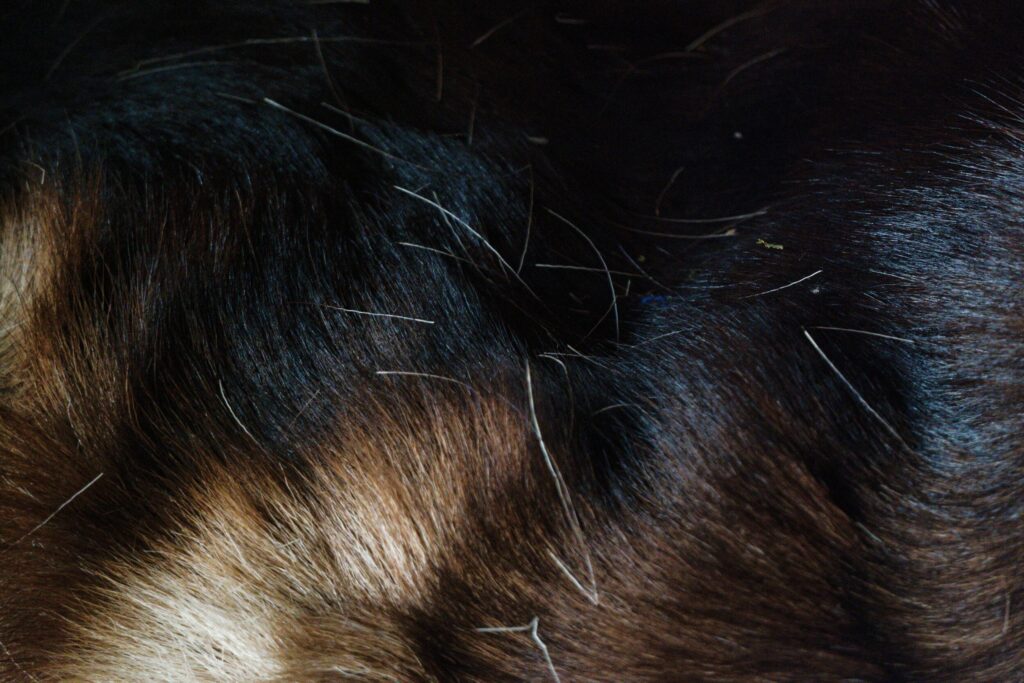
Seborrheic Dermatitis vs Dandruff vs Dry Scalp (Quick Comparison)
| Feature | Dandruff | Seborrheic Dermatitis | Dry Scalp |
|---|---|---|---|
| Cause | Mild overgrowth of Malassezia yeast | Excess oil + Malassezia yeast + inflammation | Lack of moisture, impaired skin barrier |
| Severity | Mild | Moderate to severe | Mild |
| Flakes | White, fine, dry or slightly oily | Yellow, greasy, larger scales | Small, white, powdery flakes |
| Oil Level | Normal to slightly oily | Oily | Dry |
| Redness / Inflammation | Minimal or none | Common (may appear red, dark, or lighter in skin of color) | Rare |
| Itching | Mild | Moderate to intense | Mild to moderate |
| Location | Scalp only | Scalp, eyebrows, nose, ears, chest, armpits, genitals | Scalp only |
| Response to Oils | Variable | Often worsens (feeds yeast) | Improves |
| Triggers | Product buildup, mild yeast imbalance | Stress, hormones, cold weather, oily products | Cold weather, harsh shampoos, over-washing |
| Hair Shedding | Rare | Possible (temporary due to inflammation) | Does not cause hair loss |
| Treatment | OTC dandruff shampoos (zinc, selenium) | Antifungals + anti-inflammatory treatments | Moisturizing shampoos, gentle care |
What is Seborrheic Dermatitis? Seborrheic dermatitis is a chronic, inflammatory skin condition driven by three key factors:
- Excess oil (sebum) production
- Overgrowth of Malassezia yeast (a normal skin organism)
- An inflammatory immune response
This is why simply moisturizing the scalp doesn’t fix the problem—and can sometimes make it worse.
Seborrheic Dermatitis vs Dry Scalp
You can often tell the difference between dry scalp, dandruff, and seborrheic dermatitis by looking at the flakes. Dry scalp causes small, powdery flakes, dandruff produces white flakes, and seborrheic dermatitis leads to greasy, yellow scales that may stick to the scalp. The oil level is another key clue. Dry scalp has low oil, dandruff occurs with normal to slightly oily skin, and seborrheic dermatitis happens in an oily environment that promotes yeast growth. Look for redness. Dry scalp rarely has any, dandruff has minimal irritation, and seborrheic dermatitis often shows visible inflammation (which may appear as color changes in darker skin tones). Finally, consider how your scalp responds to oils. Dry scalp usually improves, dandruff is variable, but seborrheic dermatitis often worsens with oils, since yeast feeds on oil. Key insight: If oils make your scalp worse instead of better, it’s likely seborrheic dermatitis—not dryness.
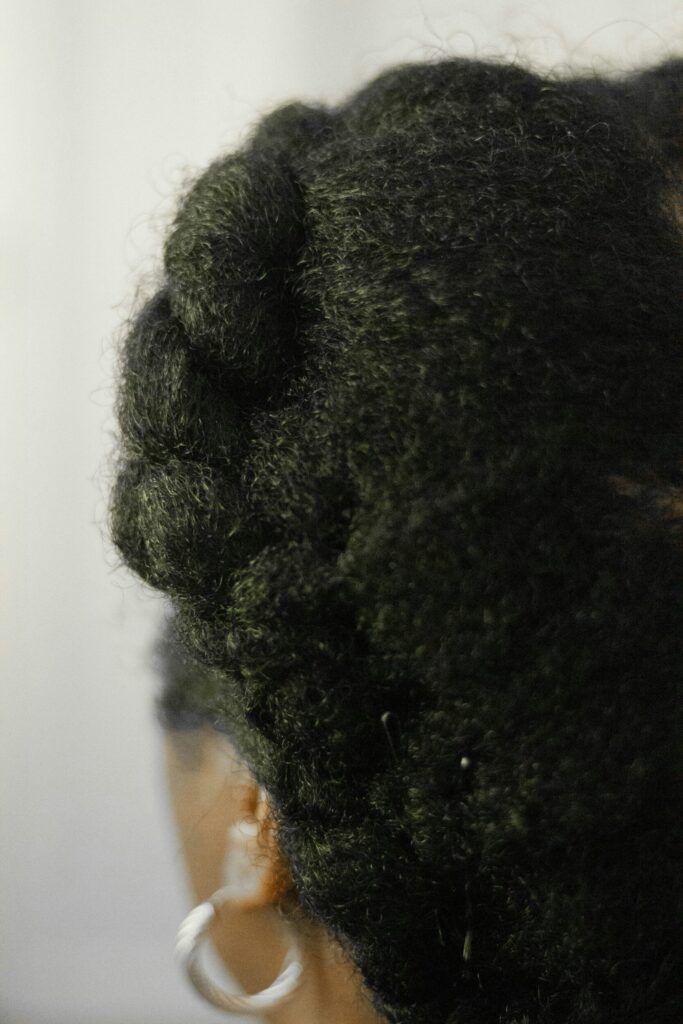
Why Seborrheic Dermatitis Is More Common in People in African Americans
Seborrheic dermatitis is especially common in African Americans, and hair texture plays a key role in how it develops and presents.
In tightly coiled and curly hair, natural oils do not travel down the hair shaft as easily. Instead, oil tends to accumulate on the scalp, creating an environment where Malassezia yeast can thrive. In addition, common hair care practices—such as using oils, greases, and pomades to manage dryness and styling—can further increase oil pooling on the scalp, which may worsen inflammation.
Shampooing less frequently (often necessary to prevent hair breakage) can also allow oil, product, and yeast buildup, increasing the risk of seborrheic dermatitis flares.
In people with darker skin tones, inflammation may not always appear bright red. Instead, it can lead to post-inflammatory hyperpigmentation (darkening) or hypopigmentation (lightening), making the condition more noticeable and sometimes longer-lasting.
Because of these factors, early diagnosis and treatment are especially important—not just to control flaking and itching, but to prevent pigment changes and protect scalp health.
Read: Dermatologist Recommended Dandruff Shampoo
Treatment Options for Dandruff and Seborrheic Dermatitis
First-Line Treatments
- Ketoconazole shampoo (antifungal gold standard)
- Selenium sulfide (reduces yeast and oil)
- Zinc pyrithione (helps normalize skin turnover)
- Coal tar (slows skin cell turnover)
When It’s More Than Dandruff
If you have redness, itching, or involvement beyond the scalp, you may need:
- Prescription antifungal creams
- Short-term topical steroids
- Non-steroidal anti-inflammatory treatments
This is where evaluation by a board-certified dermatologist can make a significant difference.
What NOT to Do
- Don’t overload the scalp with oils or grease
- Don’t ignore redness or itching
- Don’t scratch aggressively (can worsen inflammation and shedding)
- Don’t assume all flakes are “just dandruff”
When to See a Dermatologist
You should seek medical evaluation if:
- Your dandruff does not improve with over-the-counter shampoos
- You have redness, irritation, or discoloration
- The condition spreads beyond your scalp
- You notice hair thinning or increased shedding
FAQ: Seborrheic Dermatitis vs Dandruff
Is dandruff the same as seborrheic dermatitis? No. Dandruff is a mild form. Seborrheic dermatitis involves inflammation and may require prescription treatment. Can seborrheic dermatitis go away on its own? It may improve temporarily, but it is usually chronic and requires ongoing management. Does seborrheic dermatitis cause hair loss? It can cause temporary hair shedding due to inflammation, but hair typically regrows once treated. What kills the yeast that causes dandruff? Antifungal ingredients like ketoconazole, selenium sulfide, and zinc pyrithione. Why do oils make my dandruff worse? Because Malassezia yeast feeds on oil, increasing inflammation and flaking. Is seborrheic dermatitis contagious? No. It is an inflammatory condition, not something you can catch.
Takeaway
If you have mild flakes without redness, you’re likely dealing with dandruff. If you have redness, irritation, greasy scale, or involvement beyond the scalp, it’s more likely seborrheic dermatitis—and treating it properly can prevent worsening symptoms and unnecessary hair shedding.
Ready to Treat Your Scalp Problem?
If you’re not sure what type of scalp condition you have, or if over-the-counter treatments aren’t working, our dermatologist can help you get an accurate diagnosis and effective treatment plan. Schedule an appointment here!