TL;DR:
Considering red light therapy for hair loss? This blog explores how this non-invasive treatment works, who it’s best for, and what kind of results you can expect.
- What red light therapy for hair loss is and how it stimulates hair follicles using low-level red and infrared light.
- The differences between infrared and red laser light therapy, and how each supports hair regrowth.
- Benefits of treatment, including increased hair density, reduced shedding, and improved scalp health.
- Realistic expectations around results, including the typical timeline for visible improvement.
- Who makes a good candidate, and how a dermatologist can help determine if it’s right for you.
A New Era in Hair Loss Treatments?
Hair loss is a common concern that affects millions of men and women, often leading to frustration and a loss of confidence. Traditional treatments like topical medications and oral supplements remain popular. However, many are searching for non-invasive alternatives with fewer side effects.
One increasingly popular option is red light therapy for hair loss. This technology uses specific wavelengths of light to stimulate hair growth at the cellular level. But does it clinically work? And more importantly, is it the breakthrough solution you’ve been waiting for?
In this blog, we’ll explore how low-level red light therapy for hair loss works. Keep reading to learn its potential benefits and what you can expect from this innovative treatment.
What Is Red Light Therapy for Hair Loss?
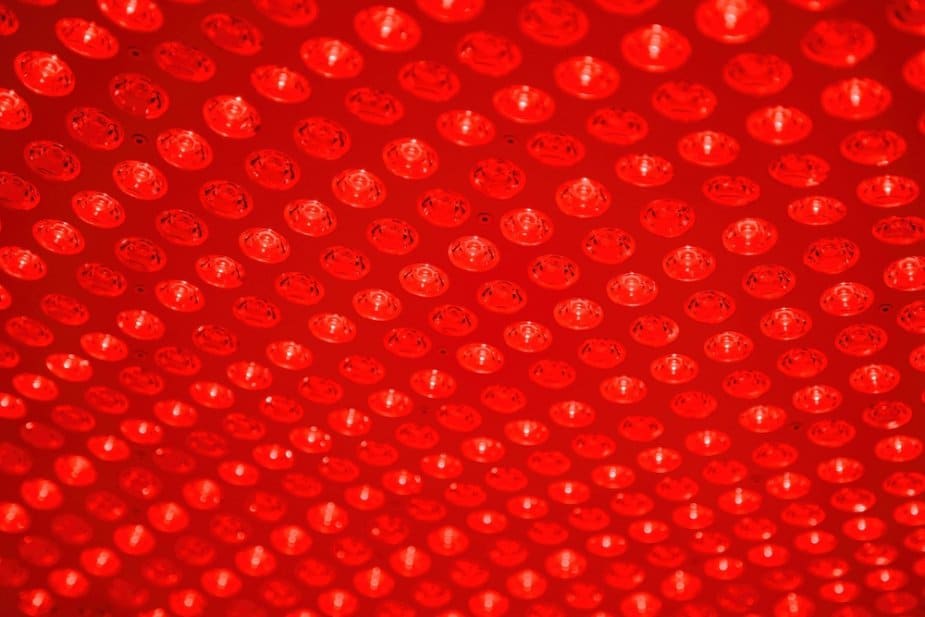
Red light therapy for hair loss is a non-invasive treatment. This therapy uses specific wavelengths of light in the red or near-infrared spectrum, which stimulate hair follicles and encourage natural hair growth.
You may know of this therapy as low-level red light therapy or photobiomodulation. The technology works by penetrating the scalp and boosting cellular energy production. This can help prolong the growth phase of the hair cycle and revitalize weakened follicles.
Unlike more aggressive treatments, red light therapy is gentle on the scalp and free of harsh chemicals or medications. Devices such as red light helmets, caps, or in-office panels deliver consistent light exposure. This makes red light therapy an accessible and convenient option for many.
Whether used on its own or alongside other hair restoration treatments, red light therapy offers a promising path forward. This treatment is an excellent option for those seeking a science-backed, non-surgical solution to thinning hair.
How Do Infrared and Red Light Therapy for Hair Loss Work?
Infrared, red light, and red laser light therapy use slightly different wavelengths (opens in new tab) to achieve a similar goal. All work to stimulate hair follicles and encourage regrowth.
Red light is typically in the range of 630–670 nanometers (opens in new tab). These beams penetrate the scalp’s surface to activate cellular activity in the hair follicles. Infrared light, with longer wavelengths, reaches deeper layers of the scalp. This enhances circulation and nutrient delivery to the follicle root.
Red laser light therapy is often found in more targeted, high-precision devices. This option offers controlled delivery of red laser energy for deeper follicular stimulation. The result is improved oxygen flow, reduced inflammation, and a more supportive environment for healthy hair growth.
These light-based treatments are painless, non-invasive, and FDA-cleared for use at home or in the office. By targeting the root causes of thinning hair, these therapies offer a science-driven, drug-free hair loss alternative.
Red Light Therapy Benefits for Hair Loss
One reason red light therapy is gaining attention is its range of potential benefits with minimal risk or downtime. Clinical studies suggest that low-level red light therapy can increase hair density, improve thickness, and stimulate dormant follicles. By enhancing blood flow and reducing scalp inflammation, red light therapy creates a healthier environment for hair growth.
Unlike topical solutions or oral medications, red light therapy is drug-free and typically well-tolerated. This makes it a suitable option for those looking to avoid side effects or systemic treatments. Additionally, many patients find the therapy easy to incorporate with quick office visits or at-home treatments.
Results can vary based on individual hair loss patterns and consistency of use. However, the benefits of red light therapy for hair loss make it an appealing and accessible option. We recommend red light therapy for those exploring non-surgical hair restoration.
Realistic Expectations: Red Light Therapy for Hair Loss Effects
While red light therapy for hair loss offers promising results, it’s important to approach treatment with realistic expectations. This is not an overnight fix, but rather a gradual process that supports the body’s natural hair growth cycle. Most patients notice visible improvements like within 3 to 6 months of consistent use. These benefits may include reduced shedding, increased thickness, and fuller areas of regrowth.
The most significant red light therapy for hair loss effects occur when you start treatment in the early stages of hair thinning. Results may also vary depending on factors like age, genetics, and underlying medical conditions. Whether patients combine the therapy with other hair restoration treatments is another factor. Regular sessions, whether at home or in-office, are key to maintaining progress.
At Aglow Dermatology, we help patients understand what’s achievable for their unique hair loss pattern. Then we guide them toward a treatment plan that delivers both results and confidence.
Is Low-Level Red Light Therapy Right for You?
Low-level red light therapy for hair loss can be a great option for many individuals. However, this treatment is not a one-size-fits-all solution. Red light therapy is most effective for those experiencing early to moderate hair thinning.
This treatment is especially helpful in cases of androgenetic alopecia (male or female pattern hair loss). It may also benefit individuals dealing with postpartum shedding or hair loss caused by stress or inflammation.
However, patients with advanced hair loss or scarring alopecia with permanent follicle damage may see limited results. A consultation with a board-certified dermatologist is essential to determine whether red light therapy is appropriate for you.
At Aglow Dermatology, we take a personalized approach to hair restoration. We’ll evaluate your scalp health, medical history, and goals to build a treatment plan that fits. If red light therapy is right for you, we’ll guide you every step of the way. We’re here for you, whether you opt for in-office treatments or a high-quality at-home device.
A Promising Step Forward in Hair Regrowth
If you’re exploring safe, effective options for treating thinning hair, red light therapy for hair loss may be the breakthrough you’ve been searching for. This innovative therapy offers a research-backed, non-invasive approach. It also supports the body’s natural ability to restore healthier, fuller hair. While it may not be the right solution for everyone, many patients have seen meaningful improvements with consistent use.
Aglow Dermatology can help you understand your options and choose the treatment that aligns with your goals. Whether you’re just noticing hair loss or looking to enhance the results of a current regimen, our team is here to help. Schedule a consultation with us to learn if low level red light therapy for hair loss is right for you. We look forward to welcoming you to our NYC practice.