

Acne Keloidalis Nuchae treatment in NYC
Do you suffer from painful, itchy bumps on the back of your neck? You are likely dealing with Acne Keloidalis Nuchae (AKN). At Aglow Dermatology we specialize in treating skin of color and providing real, long-term relief for AKN. You don’t have to live with the discomfort or the scars.
What is acne keloidalis nuchae (AKN)?
Acne Keloidalis Nuchae (AKN) is a chronic, often painful skin condition that affects the back of the neck and the base of the scalp. Despite the name “acne,” it is not actually the same as the pimples on your face. AKN begins as small, itchy bumps that can look like a rash or razor bumps. If left untreated, these bumps can become inflammed, sometimes infected and eventually merge into thick, raised scars known as keloids. Over time, this scar tissue destroys the hair follicle, leading to patches of permanent hair loss. AKN is also called folliculitis keloidalis nuchae.
What causes AKN?
The exact cause of Acne Keloidalis Nuchae is complex, but it usually stems from a combination of hair structure and physical irritation.
-
Trapped Hairs: The primary trigger is often the hair shaft itself. When hair in the nape area is cut very short, the sharp, curved tip can turn back and penetrate the skin (ingrown hair). The body’s immune system attacks this hair as a foreign object, leading to chronic inflammation.
-
Friction and Irritation: Constant rubbing from stiff shirt collars, athletic helmets, or heavy chains can aggravate the follicles, causing them to rupture and form scars.
-
Grooming Habits: Frequent close shaving or “skin fades” with clippers can traumatize the skin and encourage hairs to grow inward.
-
Genetics: Some individuals are simply genetically predisposed to keloid scarring, meaning their skin overreacts to minor inflammation by producing excess scar tissue.
Related: laser for Pseudofollicuitis barbae
Who gets AKN?
While AKN can affect anyone, it is most frequently seen in men especially African American men with coarse or curly hair. It is also more common in people prone to keloids.
Why is acne keloidalis more common in Black men?
The shape of the hair follicle is key. Tightly curled hair has a natural tendency to curve back toward the skin, making it much more likely to become ingrown compared to straight hair. When you combine this hair type with frequent short haircuts, the risk of developing AKN increases significantly.
Treatments for AKN
There is no single “magic pill,” but a combination of medical and lifestyle treatments can clear the skin and prevent the bumps from returning.
-
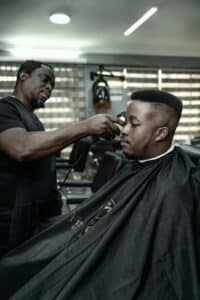
Styling Strategies: The first step in acne keloidalis nuchae treatment is changing your grooming habits. We recommend avoiding close shaves or razor trims on the back of the neck.7 Leaving the hair slightly longer (about 1/8th of an inch) prevents the hair from snapping back into the skin.
-
Topical & Intralesional Steroids: For active inflammation, we use potent prescription steroid creams or inject steroids directly into the bumps. This helps flatten the keloids and instantly relieves itching and pain.
-
Antibiotics: If the bumps are inflamed or infected (oozing or painful), we may prescribe oral or topical antibiotics to clear the bacteria and reduce redness.
-
Laser Hair Removal: This is often considered the closest thing to a cure for acne keloidalis nuchae. By using laser energy to destroy the hair follicle, we eliminate the source of the irritation. We utilize specific lasers (like the Nd:YAG) that are safe for darker skin tones.
-
Surgery: For advanced cases where large, thick scars or keloids have formed, medical management may not be enough. In these instances, we can perform surgical excision to physically remove the scar tissue. It may be left to heal open or the surgeon may stitch the area for a cleaner appearance.
Why you should see a dermatologist for AKN
Trying to treat AKN at home with over-the-counter acne washes usually results in frustration. Acne keloidalis nuchae is a chronic problem that involves deep scarring and inflammation. It requires professional medical intervention.
Seeing a board-certified dermatologist early is critical. We can distinguish AKN from other conditions. A dermatologist can start a treatment plan that stops the scarring process before it causes permanent hair loss.
Schedule Your Consultation
Don’t let the bumps on the back of your neck affect your confidence. At Aglow Dermatology, we are experts in treating skin of color and managing complex hair follicle disorders.
Call us today at 212-627-1004or contact us here to book your appointment.
Frequently Asked Questions (FAQ)
Is AKN contagious? No. Acne keloidalis cause is related to inflammation and hair structure, not bacteria or viruses that can be passed to others.
Does laser hair removal hurt? Most patients describe the sensation as a rubber band snap. We use advanced cooling technology to make the procedure comfortable.
How many sessions will I need? While you will see relief after just one session, a full acne keloidalis nuchae treatment course typically requires 6–8 laser sessions to permanently reduce the hair.