Androgenetic Alopecia – Causes, Symptoms & Treatment
At Aglow Dermatology in New York City, board-certified dermatologist Dr. Dina M. Strachan, MD, provides evaluation and treatment for many types of hair loss, including androgenetic alopecia.
What is Androgenetic Alopecia?
Androgenetic alopecia, commonly known as male pattern hair loss, female pattern hair loss, or familial hair loss, is the most common form of hair loss. It is a hereditary condition influenced by genetics and hormones, leading to gradual hair thinning and loss over time. In men, this often results in a receding hairline and bald spots, while women typically experience diffuse thinning on the frontal and crown of the scalp.
Who is Most Commonly Affected?
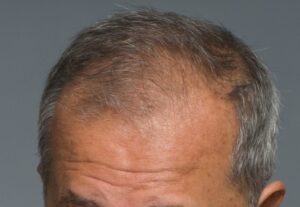
Although we may more commonly think of men as developing this type of hair loss, androgenetic alopecia affects both men and women. People of European ancestry tend to develop this condition more commonly; however, androgenetic alopecia affects people of all races. It tends to run in families.
-
Male Pattern Hair Loss (MPHL): Affects up to 50% of men by the age of 50, with onset as early as their late teens or 20s.
-
Female Pattern Hair Loss (FPHL): Affects approximately 40% of women by age 50, often beginning in their 30s or later.
-
Familial Hair Loss: If a parent or grandparent experienced androgenetic alopecia, there is a higher likelihood of developing the condition.
What are the Symptoms?
-
Men: Hairline recession, thinning at the temples, and bald spots on the crown.
-
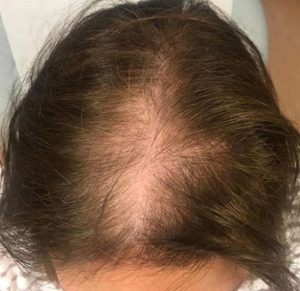
Women: Widening of the part, overall hair thinning, thinning at the temples, but rarely complete baldness.
-
No associated pain or itching, unlike other hair loss conditions.
What Causes Androgenetic Alopecia?
-
Genetics: Inherited predisposition to follicle sensitivity to hormones.
-
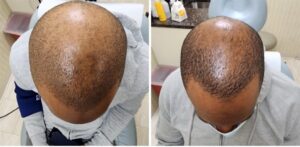
Hormones: Dihydrotestosterone (DHT) binds to hair follicles, causing miniaturization and eventual hair loss. Women with polycystic ovarian syndrome may develop this type of alopecia.
-
Aging: The condition tends to start after puberty with onset generally before age 40. It can progress over time.
How is it Diagnosed?
-
Clinical examination: Evaluation of the scalp, hair pattern, and family history.
-
Punch biopsy: If the diagnosis is not clear on physical examination.
-
Hair pull test: To assess shedding severity.
-
Trichoscopy: A detailed scalp analysis to identify miniaturized hairs.
-
Blood tests: To rule out other causes of hair loss, such as thyroid disorders or iron deficiency.
What are the Treatment Options?
Medications:
-
Minoxidil: A topical or oral treatment that promotes hair growth and slows hair loss.
-
Finasteride: A topical or oral medication for men that inhibits DHT production.
-
Spironolactone: Sometimes prescribed for women to block androgen effects.
Procedures:
-
Red light therapy, laser, low-level light therapy: Available in-office or at home.
-
Alma TED: Needle-free device using ultrasound to drive plant-based growth factors into the hair follicles.
-
Platelet-rich plasma (PRP) therapy: Uses the patient’s own blood platelets to stimulate hair growth.
-
Laser therapy: Low-level laser treatments may help slow hair loss and stimulate regrowth.
-
Hair transplant surgery: Redistribution of healthy hair follicles to balding areas.
Lifestyle Adjustments:
-
Eating a balanced diet rich in iron, zinc, and protein
-
Reduced sugar intake
-
Stop smoking
-
Avoiding excessive heat styling and chemical treatments
-
Reducing stress, which can exacerbate hair thinning
Can Androgenetic Alopecia Be Reversed or Prevented?
While the condition cannot be completely reversed, early intervention can slow progression and improve hair density. Preventative measures, including consistent use of FDA-approved treatments, can help maintain hair for longer.
Frequently Asked Questions (FAQs)
Currently, there is no cure for androgenetic alopecia. We do have treatments that can slow progression and restore some hair density.
It is not typically prescribed for women of childbearing age as it can cause harm to an unborn male child. Some people use spironolactone.
Most treatments require 3–6 months to show noticeable improvement.
When to See a Dermatologist
If you notice gradual thinning, increased hair shedding, or bald patches, it’s best to consult a dermatologist early for diagnosis and treatment options. Not all hair loss is androgenetic alopecia. Although there are many over-the-counter treatments for this type of hair loss, seeing a dermatologist can help you understand all your options.
Next Steps & How to Get Treatment
Androgenetic alopecia is a manageable condition with the right approach. Schedule a consultation with our dermatologist who specializes in hair loss to discuss the best treatment plan for you. Learn more about hair loss solutions by exploring our related resources on male pattern hair loss, female pattern hair loss, and other causes of familial hair loss. Learn about our telehealth for hair loss services!