
Traction Alopecia – Causes, Symptoms & Treatment
Some types of hair loss develop gradually from everyday styling habits that place stress on the scalp. Board-certified dermatologist Dr. Dina M. Strachan, MD, of Aglow Dermatology in New York City, diagnoses and treats traction alopecia and other hair loss conditions through individualized dermatologic care.
What is Traction Alopecia?
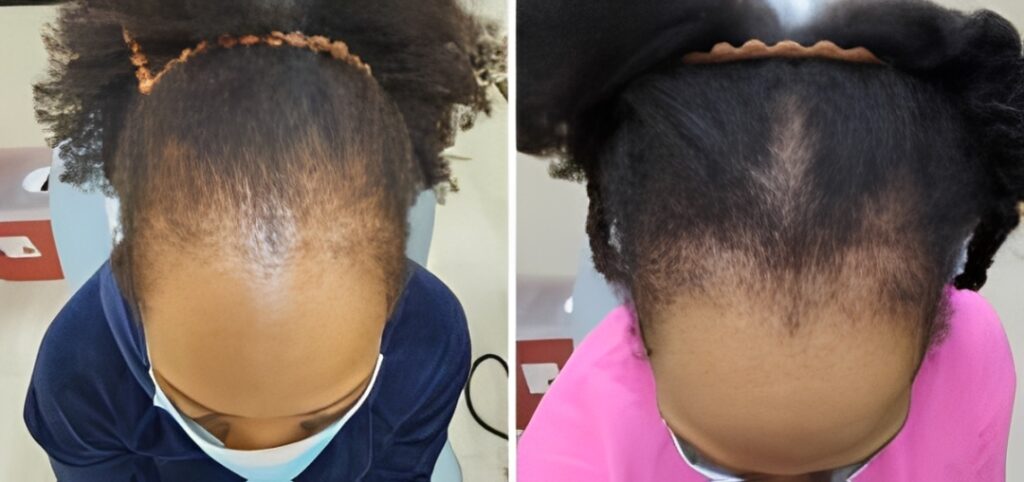
Traction alopecia is a preventable type of hair loss caused by repeated tension or pulling on the hair follicles. This condition is commonly associated with certain hairstyles that put excessive stress on the scalp, leading to gradual thinning and, in severe cases, permanent hair loss due to follicle damage.
Who is Most Commonly Affected?
-
Individuals Who Frequently Wear Tight Hairstyles: Those who wear braids, ponytails, buns, cornrows, or extensions for prolonged periods.
-
People Using Chemical or Heat Treatments: Relaxers, perms, and excessive heat styling can weaken hair, increasing the risk of hair breakage and traction alopecia.
-
Athletes and Performers: People who wear buns, tight helmets, wigs, or headgear for extended periods.
What are the Symptoms?
-
Gradual hair thinning along the hairline, temples, or crown. It can also appear in the pattern of locs and box braids.
-
Small bumps or redness on the scalp due to follicle irritation.
-
Itching, tenderness, or discomfort in affected areas.
-
Broken hairs and receding edges, particularly at the forehead and sides.
-
Scalp inflammation or scaling in some cases.
What Causes Traction Alopecia?
-
Tight Hairstyles: Braids, weaves, dreadlocks, high ponytails, or buns that pull on the scalp.
-
Frequent Use of Hair Extensions: Clip-ins, sew-ins, and glued extensions can strain hair follicles.
-
Prolonged Use of Headwear: Tight hats, wigs, and headbands can cause friction and stress on the scalp.
-
Chemical and Heat Damage: Relaxers, hot combs, and excessive blow-drying weaken hair, making it more susceptible to breakage.
How is it Diagnosed?
-
Clinical Examination: A dermatologist assesses hair loss patterns and scalp health.
-
Punch Biopsy of the Scalp: Sometimes necessary to distinguish from other types of hair loss such as ophiasis.
-
Trichoscopy: A magnified scalp analysis to check for follicle damage and inflammation.
-
Medical History Review: Evaluating hair care routines, styling habits, and past hair treatments.
What are the Treatment Options?
Hairstyle Modifications:
-
Avoid tight hairstyles and opt for looser, protective styles.
-
Reduce the use of hair extensions and heavy accessories.

Scalp and Hair Care:
-
Use gentle shampoos and avoid harsh chemical treatments.
-
Moisturize the scalp regularly to maintain hair health.
Medications and Topical Treatments:
-
Topical Minoxidil (Rogaine): May help stimulate regrowth in affected areas.
-
Corticosteroids: Can be used in cases of inflammation or irritation.
Alma TED or Platelet-Rich Plasma (PRP) Therapy:
-
May help stimulate hair regrowth if follicles are still viable.
Hair Transplant (For Severe Cases):
-
If permanent damage has occurred, hair transplantation may be an option.
Can Traction Alopecia Be Reversed or Prevented?
-
In its early stages, traction alopecia is reversible if the pulling force is removed.
-
Long-term follicle damage may lead to permanent hair loss if not addressed early.
-
Preventative measures include wearing looser hairstyles, taking breaks from extensions, and avoiding excessive heat or chemical treatments.
Frequently Asked Questions (FAQs)
If caught early, hair can regrow in a few months. Severe cases may require medical intervention.
Yes, if scarring occurs and follicles are destroyed, hair loss can become permanent.
Loose braids, buns, and protective styles that reduce tension can help prevent traction alopecia.
When to See a Dermatologist
If you notice thinning edges, scalp tenderness, or excessive hair breakage, consult a dermatologist as soon as possible. Early intervention can help restore hair and prevent permanent damage.
Next Steps & How to Get Treatment
If you suspect you have traction alopecia, schedule a consultation with our hair loss dermatologist to discuss treatment options. Adopting healthier hair care practices and making styling adjustments can help preserve hair health and prevent further loss.