

Dermatologist-Recommended Sunscreen for Tanning
(What to Use If You’re Going to Be in the Sun)
If you’re searching for “sunscreen for tanning,” you’re not alone.
But here’s the reality:
👉 There is no such thing as safe tanning.
As a dermatologist, I don’t recommend tanning. However, I understand that many people will still spend time in the sun. If that’s the case, the goal shifts to:
👉 Reducing as much skin damage as possible
This page will show you how to do that using dermatologist-recommended sunscreens, antioxidants, and safer alternatives.
Transparency Note: This article is for educational purposes and is not a substitute for medical advice. It is medically edited and products are independently curated by our board-certified dermatologist. We may earn a commission if you purchase through our links, but our recommendations are driven strictly by medical data, not brand partnerships.
Is There Such a Thing as Sunscreen for a Tan?
No.
Sunscreen is designed to block ultraviolet (UV) radiation, not enhance tanning.
- UVB rays → cause sunburn + contribute to tanning
- UVA rays → cause aging + also contribute to tanning
👉 When you use sunscreen correctly, you are actually reducing your ability to tan
Does Sunscreen Prevent Tanning Completely?
Not entirely.
Even with proper sunscreen use:
- Some UV radiation still reaches the skin
- You may still develop mild pigmentation
But the key difference is:
👉 Less damage, less inflammation, less long-term harm
The Bigger Issue: Tanning and Skin Health
Regular tanning—whether intentional or incidental—accelerates:
- Fine lines and wrinkles
- Uneven pigmentation
- Loss of elasticity
- Skin cancers, including melanoma
This is why dermatologists consistently recommend sun protection, not sun exposure, as a goal.
If You’re Going to Be in the Sun Anyway
This is where I meet patients where they are.
If you are going to be outdoors and getting sun exposure, your goal should shift from tanning to damage control.
1. Use a Broad-Spectrum Sunscreen (SPF 30 or Higher)
- Choose SPF 30–50
- Make sure it is labeled broad-spectrum (protects against UVA + UVB)
- Reapply every 2 hours, or sooner if sweating/swimming
- Make sure you are putting on enough sunscreen
Higher SPF does not mean you’ll tan better—it means less UV damage reaches your skin.
2. Don’t “Game the System” with Low SPF
Using SPF 4–15 to “tan safely” is a myth.
- You are still getting significant UV exposure
- You are increasing cumulative damage
- You may delay burning, but not prevent injury
3. Consider Antioxidant Support
Topical antioxidants (like vitamin C) can help reduce oxidative stress from UV exposure.
Some people also use so-called “oral sunscreens” (such as antioxidants like polypodium leucotomos). These can provide adjunctive support, but:
- They do not replace sunscreen
- They are not a shield against UV damage
Think of them as backup—not primary protection.
Why Antioxidants Matter
Even the best sunscreen does not block 100% of UV rays.
This means your skin still experiences:
- Free radical damage
- Collagen breakdown
- Pigmentation changes
Antioxidants help neutralize this damage, making them an important add-on.
Sun Protection, Antioxidants and Your Diet
Certain antioxidants available in the diet have been show to modestly reduce the risk of sun damage, sunburn and even skin cancer. These are not a substitute for sun avoidance, and sun protection with sunscreen and upf clothing, but may help reduce some of the damage if you are going to be in the sun:
- Lycopene is a powerful antioxidant that may help reduce UV-induced damage and sunburn. Food sources include red foods such as cooked tomatoes (especially tomato paste), strawberries, watermelon and pink grapefruit.
- There are animal studies that lycopene reduces the risk of non-melanoma skin cancers.
Molecular evidence that oral supplementation with lycopene or lutein protects human skin against ultraviolet radiation: results from a double‐blinded, placebo‐controlled, crossover study Published in: British Journal of Dermatology (2017) Link: Read the full study on Oxford Academic
👉 Lycopene provides baseline antioxidant support, however, it should be used with other sun protective measures in humans who are trying to prevent skin cancer.
- Caffeine, Coffee, and Tea: Caffeine, both ingested and topical, has been associated with a reduced risk of certain skin cancers in some studies including basal cell carcinoma, malignant melanoma. The effect of caffeine is dose- dependent showing about a 5% decreased risk per cup/day. Even topical caffeine may have an effect.
👉 Caffeine, still, by itself should be considered a small supportive factor—not a complete strategy for sun protection
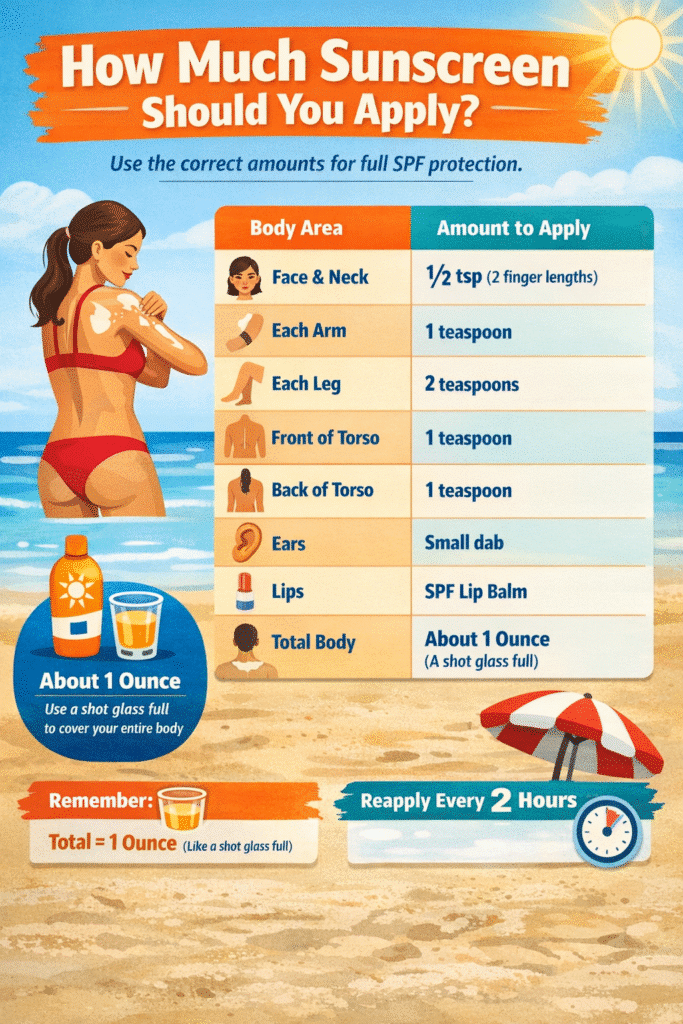
4. Apply Enough Sunscreen
The spf protection provided by sunscreen assumes that you are putting enough on the product on. Generally 1 oz, or a shot- glass sized amount should be applied to the body of an adult. Two-finger breaths is enough for a full adults face:
A Healthier Alternative to Tanning: Self Tanners
If what you want is the look of a tan:
- Self-tanners (DHA-based) are a much safer option
- Professional spray tans can provide even, controlled color
- Bronzing products offer temporary results without UV exposure
These options give you the aesthetic result without triggering skin damage.
The Bottom Line
If you came here looking for the best “sunscreen for tanning,” here’s the truth:
- Sunscreen is not meant to help you tan
- It actually works against tanning by reducing UV exposure
- There is no safe way to tan using sunscreen
However, if you are going to be in the sun:
- Use broad-spectrum SPF 30+
- Reapply consistently
- Combine with protective clothing and shade
- Think in terms of protecting your skin, not changing its color
Because ultimately, the goal isn’t just how your skin looks today—it’s how it ages and stays healthy over time.
What to Look for in a Sunscreen for Tanning
If you are going to be in the sun anyway, your sunscreen matters.
Choose:
- Broad-spectrum (UVA + UVB)
- SPF 30–50 minimum
- Water-resistant formulas
- Antioxidant-enriched sunscreens
How to Use Sunscreen Properly
To actually get protection:
- Apply 15 minutes before sun exposure
- Use enough (most people under-apply)
- Reapply every 2 hours
- Reapply after sweating or swimming
👉 Poor application = significantly reduced protection
Dermatologist-Recommended Sunscreens For Tanning
Below is a clean, publication-ready version you can copy directly into your page. I tightened language, standardized positioning, and made the categories consistent and SEO-friendly.
🏆 The Modern Sunscreen Archetype System (Tanning-Conscious, Skin-Health Focused)
These sunscreen categories are designed for people who enjoy sun exposure but want to minimize long-term UV damage while still supporting a healthy glow or controlled tanning.
They are not interchangeable. Each category serves a different role in a complete sun-protection system.
🏆 Best UVA Protection/Antiaging Defense
This category focuses on deep UVA protection, especially UVA1 and ultra-long UVA (340–400nm), which are most strongly linked to:
- premature skin aging (wrinkles, laxity)
- pigmentation and melasma
- long-term dermal damage
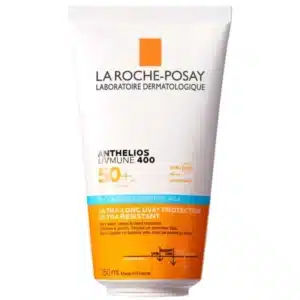
🥇 La Roche-Posay Anthelios UVMune 400 Hydrating Milk SPF 50+
La Roche-Posay Anthelios UVMune 400 Hydrating Milk SPF 50+
A next-generation sunscreen built around advanced UVA filter technology (UVMune 400 / Mexoryl system), offering one of the strongest levels of real-world UVA protection available in consumer sunscreens.
Why it stands out:
- Exceptional protection into ultra-long UVA (up to ~400nm)
- Helps defend against deep aging rays that most sunscreens under-address
- Lightweight “milk” texture suitable for face and body
- Elegant enough for daily wear, strong enough for outdoor exposure
Positioning:
👉 Daily elegance + high-performance UVA defense in one formula
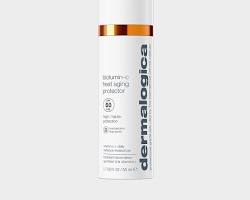
🧴 Dermalogica Biolumin-C Heat Aging Protector SPF 50
Dermalogica Biolumin-C Heat Aging Protector SPF 50
A hybrid antioxidant sunscreen that combines SPF protection with vitamin C–based skincare benefits.
Why it stands out:
- Strong antioxidant focus (vitamin C + E complex)
- Targets UV + heat + environmental oxidative stress (“heat aging”)
- Functions as a moisturizer-serum-SPF hybrid
- Designed for glow, tone, and daily skin health
Positioning:
👉 Antioxidant skincare treatment with built-in sun protection
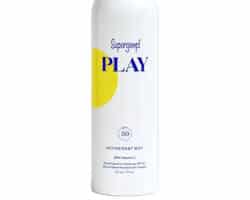
💨 Supergoop! PLAY Antioxidant Body Sunscreen Mist SPF 50
Supergoop! PLAY Antioxidant Body Sunscreen Mist SPF 50
A lightweight body mist designed for convenience, reapplication, and on-the-go UV protection.
Why it stands out:
- Extremely easy reapplication format (spray mist)
- Includes antioxidant support for oxidative stress defense
- Water- and sweat-resistant (up to 80 minutes)
- Ideal for beach bags, travel, and missed coverage areas
Positioning:
👉 Convenience + reapplication layer in a full sun-protection system
🏆 Best Sports, Water & Sweat-Resistant Protection (Performance Layer)
This category prioritizes durability under real-world stress conditions such as:
- swimming
- sweating
- heat exposure
- friction (sand, towels, movement)
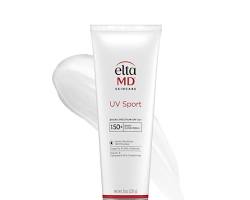
EltaMD UV Sport Broad-Spectrum SPF 50
A high-performance sunscreen designed for sustained exposure and physical activity.
Why it stands out:
- Strong 80-minute water resistance
- Designed for sweat, swimming, and outdoor sports
- Works for both face and body
- Minimal fragrance and irritation potential
Positioning:
👉 Reliable protection “armor layer” for active sun exposure
Note on environmental impact:
Mineral sunscreens (zinc oxide-based) are generally considered more environmentally favorable than some chemical filters. However, “reef-safe” is not a regulated term, and environmental impact varies by formulation.
🏆 Best K-Beauty / Cosmetic Elegance SPF (Daily Wear Layer)
This category prioritizes:
- invisible finish (no white cast)
- hydration and skincare feel
- layering under makeup
- daily comfort and compliance
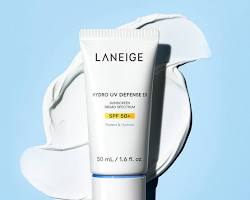
🥇 LANEIGE Hydro UV Defense Sunscreen SPF 50+
LANEIGE Hydro UV Defense Sunscreen SPF 50+
A lightweight Korean sunscreen designed for daily facial wear with a focus on comfort and aesthetic finish.
Why it stands out:
- Very lightweight, hydrating texture
- No white cast on deeper skin tones
- Includes antioxidant and skin-conditioning ingredients
- Designed for daily cosmetic wear rather than extreme exposure
Positioning:
👉 Elegant daily sunscreen optimized for feel, finish, and compliance
🌴 Emerging Category: “Tanning Lifestyle” / Sensory Beach Sunscreens
This category is designed for people who actively enjoy sun exposure and prioritize experience, scent, texture, and reapplication behavior.
These sunscreens:
- feel like vacation products
- encourage frequent reapplication
- enhance cosmetic glow and skin sheen
- improve sunscreen compliance through sensory appeal
Common examples include:
-
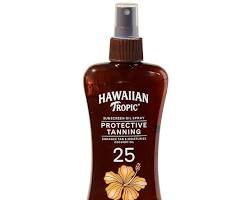
Hawaiian Tropic Protective Tanning Oil Spray Sunscreen SPF 25 : This iconic formula delivers the classic “beach glow” and coconut scent of a traditional tanning oil while providing essential broad-spectrum protection against UVA and UVB rays. It is an excellent sensory option for those who prefer an oil texture but want to avoid the extreme skin damage caused by products with little to no SPF. 🌴Check price on Amazon

-
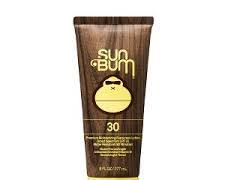
Sun Bum Original SPF 30 Sunscreen Body Lotion – Broad Spectrum Moisturizing Sunscreen with Vitamin E (Hawaii 104 Act compliant) : A classic beach sunscreen that smells like vacation and provides reliable broad-spectrum protection. 🌴Check price on Amazon
-
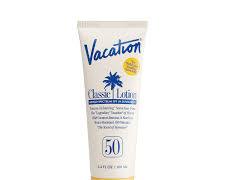
- Vacation Inc. Classic Sunscreen spf 50: This “sensory favorite” perfectly bridges the gap between luxury and safety, offering a nostalgic beach scent and a high-shine “tanning” glow while maintaining rigorous, dermatologist-approved broad-spectrum protection. It is the ultimate choice for those who want their sun care to feel like an experience rather than a chore. 🌴Check price on Amazon
Positioning:
👉 Experience-driven sun care that supports safer, more consistent reapplication behavior
Oral “Sunscreens” and Antioxidants: Do They Help?
Again, think of oral “sunscreens” as internal support, NOT a substitute, in your sun protection journey. Here are some common options.

- Heliocare Antioxidant Supplements – contains Fernblock which is an extract derived from Polypodium leucotomos (PLE), a tropical fern native to Central and South America. This fern extract is incredibly rich in antioxidant polyphenols (such as ferulic, caffeic, p-coumaric, and chlorogenic acids). It is clinically proven to help neutralize free radicals generated by UV radiation, protecting the skin’s DNA and preventing collagen breakdown from the inside out. 👉 Check price on Amazon
- ISDIN SunISDIN Daily Antioxidant Capsules– While Heliocare mostly relies on a very high dose of the Polypodium leucotomos fern extract (and sometimes Vitamin B3), ISDIN SunISDIN takes a “multivitamin” approach. It uses a lower dose of the fern extract but combines it with a much broader spectrum of antioxidants, carotenoids, and vitamins to target sun damage from multiple different angles👉 Check price on Amazon
- NusaPure Polypodium Leucotomos Extract – Like Heliocare contains Polypodium leucotomos supplements offering 240 mg per pill but may be more budget-friendly and is always vegan. 👉 Check price on Amazon

Lycopene Supplement Options:
👉 Lycopene provides baseline antioxidant support, not UV protection
Sunless Tanning
If your goal is the look of a tan without the damage, sunless tanning is the safest option.
Unlike UV tanning, these products do not damage DNA or increase skin cancer risk.
Most sunless tanners use dihydroxyacetone (DHA), which reacts with the outermost layer of the skin to create a temporary bronzed appearance. These are ideal for gradual, buildable color and at-home use.
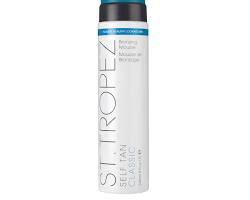
- St. Tropez Self Tan Classic Bronzing Mousse – Natural-looking, streak-free finish 👉 Check price on Amazon
- Jergens Natural Glow Daily Moisturizer – Subtle, gradual tanning effect 👉 Check price on Amazon
- Bondi Sands Self Tanning Foam – Deeper color, fast-drying 👉 Check price on Amazon
👉 Best for: People who want control and customization
Facial Self-Tanners
Facial skin is more sensitive and prone to breakouts, so targeted products are helpful.
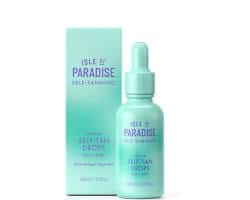
- Isle of Paradise Self Tanning Drops – Mix into moisturizer 👉 Check price on Amazon
- Tan-Luxe The Face Illuminating Self-Tan Drops – Adjustable intensity 👉 Check price on Amazon
👉 Best for: Even tone without clogging pores
Spray Tans (Professional or At-Home)
- Professional spray tans offer the most even, immediate results
- At-home sprays are improving and can be a convenient alternative
👉 Best for: Events, or patients who want quick results
How to Use Sunless Tanners Safely
Even though these are safer than UV tanning, there are still best practices:
- Apply to exfoliated, moisturized skin
- Wash hands after application
- Avoid inhalation of sprays
- Continue using broad-spectrum sunscreen daily
👉 Important: Sunless tanners do not provide UV protection
Why This Is the Better Option
If someone is searching for “sunscreen for tanning,” what they often want is:
👉 Color without burning
Sunless tanning delivers that—without UV exposure
From a dermatologic standpoint, this is always the preferred alternative.
👉 These provide the look of a tan without increasing skin cancer risk
Important Reminder
Sunless tanning products do not contain SPF—you still need sunscreen.
The Reality: You Cannot Tan Safely
Let’s be very clear:
- Sunscreen reduces tanning
- Antioxidants reduce damage
- Supplements provide support
👉 But none of these make tanning safe
Tanning is a biologic response to DNA damage, and repeated exposure increases:
- Skin cancer risk
- Premature aging
- Pigmentation disorders such as melasma
Related: Dermatologist Recommended Sunscreens for Melasma
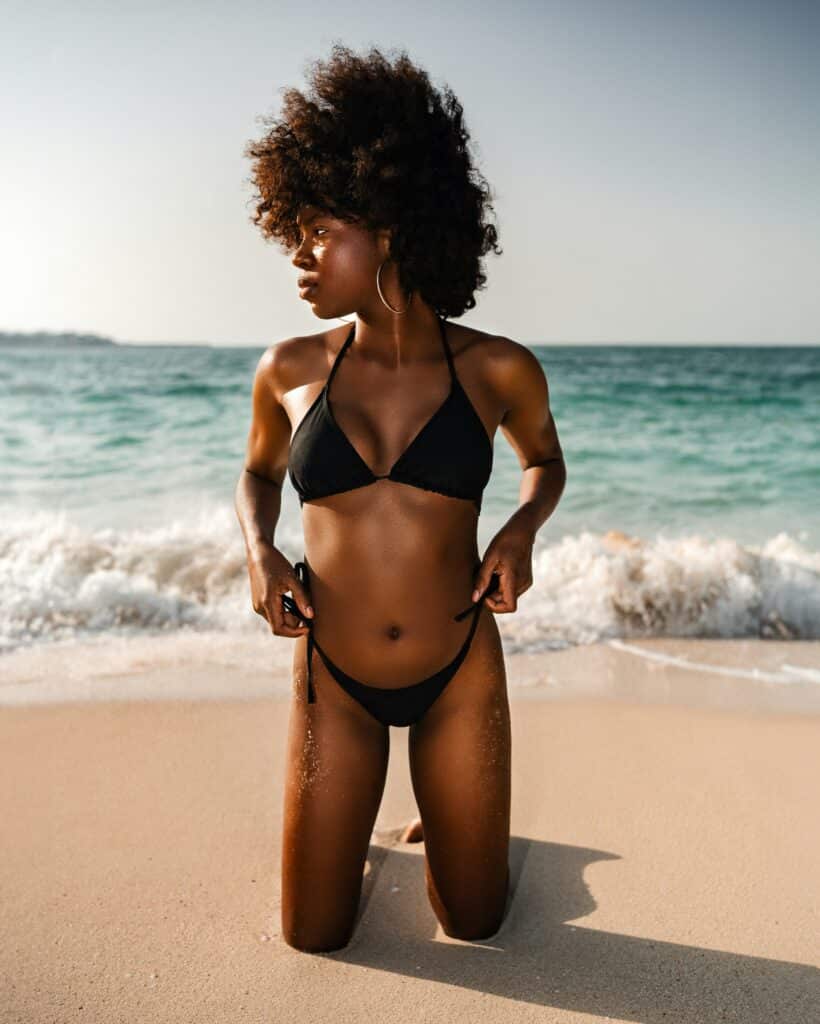
If your goal is a tan appearance, this is the safest option.
Sunless tanners use DHA to create color without UV exposure.
FAQ Dermatologist Recommended Sunscreen for Tanning
Is there a sunscreen that actually helps you tan?
No. Sunscreen is designed to filter out ultraviolet (UV) radiation. Because tanning is the skin’s biological response to UV damage, any product that effectively blocks those rays will naturally reduce your ability to tan. There is no medically recognized sunscreen that “safely” enhances a UV tan.
What SPF should I use if I am going to be in the sun?
Dermatologists recommend a broad-spectrum SPF 30 or higher. Using a lower SPF (like 4, 8, or 15) to “get a tan” is a dangerous myth; it simply allows more DNA-damaging radiation to penetrate your skin without providing a meaningful barrier against skin cancer or premature aging.
Can you tan safely if you don’t get a sunburn?
No. Many people believe that as long as they don’t turn red (burn), their skin is safe. However, a tan is evidence of DNA injury. Your skin darkens to create a “shield” of melanin to prevent further damage, but the initial cellular mutation has already occurred.
Does sunscreen prevent tanning completely?
Not entirely. No sunscreen blocks 100% of UV rays. Even with perfect application, a small percentage of rays reach the skin, which is why some people still see a slight change in color. However, using high SPF ensures that this “incidental” tan happens with significantly less long-term harm to your skin cells.
Should I get a “base tan” before a vacation to prevent burning?
This is one of the most dangerous sun-care myths. A base tan provides a natural SPF of roughly 3 or 4—essentially zero protection. You are significantly increasing your lifetime skin cancer risk by using a tanning bed or sunbathing just to get negligible protection for your trip.
Do you need to tan to get enough Vitamin D?
No. Your body begins producing Vitamin D almost immediately upon UV exposure, well before your skin begins to tan or burn. For most people, 5–15 minutes of incidental sun exposure a few times a week is sufficient. If you are concerned about levels, dermatologists universally recommend oral supplements or vitamin-rich foods over intentional tanning.
Does sunscreen prevent Vitamin D production?
In clinical studies, real-world sunscreen use has not been shown to cause Vitamin D deficiency. Because most people do not apply enough sunscreen or cover every inch of their bodies perfectly, enough UVB light still reaches the skin to trigger Vitamin D synthesis.
Do oral “sunscreen” supplements actually work?
Supplements like Heliocare (Polypodium leucotomos) or Lycopene act as “internal antioxidants.” They help your body neutralize free radicals and reduce oxidative stress caused by the sun. While they are excellent for skin health, they do not block UV rays and should never be used as a replacement for topical sunscreen.
Does caffeine help protect against skin cancer?
Emerging research suggests that caffeine (both ingested via coffee/tea and applied topically) may help the body eliminate UV-damaged cells before they become cancerous. While promising, the effect is a “supportive” benefit and does not provide a “shield” that allows for safe tanning.
Are tanning beds safer than the natural sun?
Tanning beds are significantly more dangerous. They emit concentrated UVA radiation that can be 10 to 15 times stronger than the midday sun. The World Health Organization classifies tanning beds as a Group 1 carcinogen, placing them in the same risk category as tobacco and asbestos.
What is the safest way to get a tan?
The only 100% safe tan is a sunless tan. Modern self-tanning mousses, drops, and professional spray tans use DHA (Dihydroxyacetone) to stain the top layer of dead skin cells. This gives you a golden glow without any DNA damage, radiation exposure, or increased cancer risk.
Do self-tanners protect you from the sun?
No. A sunless tan is purely cosmetic. It does not provide any SPF protection. If you use a self-tanner, you must still apply a broad-spectrum SPF 30 or higher whenever you go outside.
Dermatologist’s Bottom Line
If you’re searching for “sunscreen for tanning,” what you really need is:
👉 Protection while you’re in the sun
The best approach:
- Use broad-spectrum SPF 30–50
- Reapply consistently
- Add antioxidants (topical + oral)
- Use protective clothing and shade
And if your goal is appearance:
👉 Choose sunless tanning instead of UV exposure
Because healthy skin is always the goal—not just a temporary tan.
Ready for a skin screening with our board-certified dermatologist in New York City? Schedule a consultation here!