

Sun Protective Clothing: Dermatologist-Recommended
UV Protection That Actually Works
By Dr. Dina Strachan, MD | Aglow Dermatology Disclaimer: This page is for educational purposes only and does not constitute medical advice.
Affiliate disclosure: This page contains affiliate links. If you click and make a purchase, we may earn a commission. Recommendations are based on scientific evidence.
If you’re serious about protecting your skin, sun protective clothing, also known as UPF (ultraviolet protection factor), should be part of your everyday routine—not just something you wear to the beach.
As a dermatologist, I see the consequences of sun exposure every day: melasma, rosacea, hyperpigmentation, premature aging, and, of course, skin cancer. And one of the biggest mistakes people make is relying on sunscreen alone.
Sunscreen helps—but sun protective clothing gives you consistent, all-day protection without reapplication, irritation, or missed spots. Sun-protective clothing, howver, is best used as part of a comprehensive sun protection strategy—not a replacement for sunscreen. For optimal protection, combine UPF clothing with broad-spectrum sunscreen and sun avoidance during peak UV hours (10 AM–3 PM).
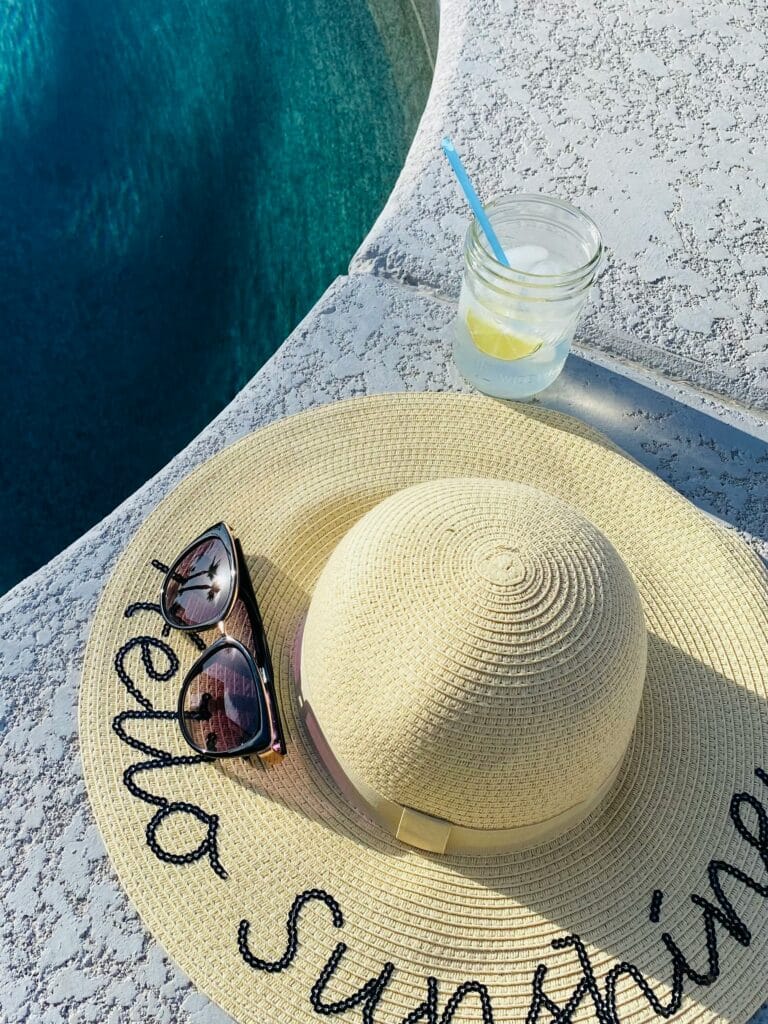
What Is Sun Protective Clothing?
Sun protective clothing is specially designed fabric that blocks ultraviolet (UV) radiation.
You’ll often see it labeled with UPF (Ultraviolet Protection Factor):
- UPF 50 clothing blocks 98% of UV rays
- UPF 30 clothing blocks about 97%
- UPF 15 clothing offers more limited protection
What does UPF 50 mean?
It means only 1/50th of UV radiation reaches your skin—making it one of the most effective forms of daily sun protection.
👉 Shop UPF 50 sun protective clothing on Amazon
👉 Shop UPF 50 sun protective clothing on ShopMyShelf
Why UPF Clothing Is Better Than Sunscreen Alone
Sunscreen is important—but it has limitations:
- It wears off
- It requires reapplication
- Some people are sensitive to it
- It may leave a white cast (especially in darker skin tones)
Sun protective clothing solves these problems. That said, clothing doesn’t replace sunscreen. Exposed areas like the face, hands, and feet still require sunscreen, and minimizing direct sun exposure during peak hours (10 AM–3 PM) remains important.
It’s especially important if you:
- Have melasma (can recur after just 20 minutes of sun exposure)
- Have lupus or photosensitivity
- Take photosensitizing medications
- Struggle to find cosmetically elegant sunscreen
Best approach: Use both—but rely on clothing for your base protection.
| Feature | Good | Better | Best |
|---|---|---|---|
| UPF Rating | UPF 30 | UPF 40–50 | UPF 50+ |
| Fabric Weave | Lower density | Tight weave | Ultra-tight / technical fabric |
| Coverage | Partial (short sleeves) | Long sleeves | Full coverage + neck/face protection |
| Fit | Fitted (can stretch thin) | Relaxed | Structured, maintains density |
| Color | Light | Medium | Dark/saturated (more UV absorption) |
Best Sun Protective Clothing by Category
If you’re adding UPF clothing to your routine, think of it as one layer of protection. You should still use sunscreen on exposed skin and try to avoid direct sun exposure between 10 AM -3 PM when UV radiation is strongest. Today’s options are both functional and stylish.
Look for:
- Tightly woven fabrics
- UV-absorbing treatments
- Darker or more protective dyes
- Moisture-resistant performance materials
Sun Protective Clothing for Women
- UPF 50 pants for women: 👉 Check Price on Amazon travel, wide leg/fashion, cargo
- Breathable dresses: 👉 Check Price on Amazon short sleeve and long sleeve
- Lightweight layering pieces: 👉 Check Price on Amazon sunwrap
Sun Protective Clothing for Men
Men often get the most cumulative sun exposure—especially on the face, neck, and arms.
Look for:
- 👉 Check Price on Amazon: UPF collared shirt for men (long sleeve)
- 👉 Check Price on Amazon: UV protective long sleeve t-shirt for men
- 👉 Check Price on Amazon: UPF long pants for men

Sun Protective Clothing for Infants and Newborns
Babies have extremely delicate skin—and sunscreen options are limited. We recommend keeping babies out of the sun. When this cannot be avoided, however, using both sunscreen and clothing is important.
That’s why sun protective clothing for infants and newborns is essential.
Look for:
- Soft, breathable UPF 50 fabrics
- Full coverage (arms, legs, neck)
- 👉 Check Price on Amazon: Infant UPF one-piece yellow sunsuit with hat
- 👉 Check Price on Amazon: Infant UPF one-piece flowered sunsuit with hat
- 👉 Check Price on Amazon: Infant UPF one-piece shark sunsuit with hat
- 👉 Check Price on Amazon: Baby/Toddler sun-protective hoodie

UPF Shirts (Everyday Essential)
If you only buy one thing, make it this.
What to look for:
- UPF shirt long sleeve
- High neckline or collar
- Thumbholes for hand coverage
- Lightweight but tightly woven fabric

- 👉 Check Price on Amazon: Women’s sun protection shirts
- 👉 Check Price on Amazon: Men’s UPF 50 shirts
- 👉 Check Price on Amazon: UPF 50 hoodie
Related: Sunscreens for melasma
UPF Sun Hats and Face Protection
Your face is the most sun-exposed—and the most prone to aging and melasma.
What to look for in UPF sun hats:
- 3–4 inch brim minimum
- Structured shape (not floppy)
- Neck coverage or flap
- Dark underside to reduce reflection

- 👉 Check Price on Amazon: UPF sun hats wide brim for women
- 👉 Check Price on Amazon: UPF sun hats wide brim for men
- 👉 Check Price on Amazon: UPF 50 visor
- 👉 Check Price on Amazon: Hats with neck coverage
Sun Protective Clothing for the Face (Melasma Must-Have)
If you have melasma, sunscreen alone is often not enough.
Even small amounts of UV exposure can trigger recurrence.
Consider:
- UPF face masks
- Neck gaiters
- Full face shields (for intense sun exposure)
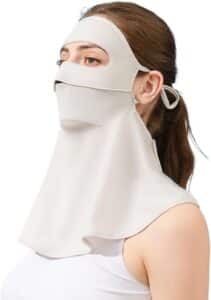
- 👉 Check Price on Amazon: Sun protective face coverings
- 👉 Check Price on Amazon: UPF gaiters
UPF 50 Swimwear
Water reflects UV—so exposure is even stronger.
Regular swimsuits offer minimal protection.
Look for:
- UPF 50 swimwear
- Rash guards
- Full-coverage styles
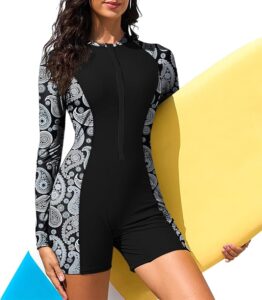
- 👉 Check Price on Amazon: Women’s UPF swimwear
- 👉 Check Price on Amazon: Men’s rash guards
- 👉 Check Price on Amazon: Kids swim sets
Sun Protective Clothing by Activity
UPF Clothing for Hiking
Hiking exposes you to prolonged, direct sun.
Look for:
- UPF 50 long sleeve tops
- Lightweight pants
- Breathable fabrics
- 👉 Check Price on Amazon: Hiking shirts UPF
- 👉 Check Price on Amazon: UPF hiking pants- men UPF hiking pants- women
Sun Protective Clothing for Golfers
Golf = hours in direct sunlight.
Look for:
- Golf shirts for women (UPF)
- Lightweight, moisture-wicking fabrics
- 👉 Check Price on Amazon: Women’s UPF golf shirts
- 👉 Check Price on Amazon: Men’s golf sun shirts
Sun Protection Bike Clothing
Cycling increases UV exposure due to duration and positioning.
Look for:
- Arm sleeves
- Long sleeve cycling tops
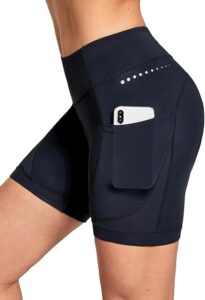
- 👉 Check Price on Amazon: Sun protective cycling gear
- 👉 Check Price on Amazon: UPF arm sleeves
How to Choose the Best UPF Clothing?
Use this quick checklist:
- UPF 50+ rating
- Tight weave (hold to light—minimal transparency)
- Dark or saturated colors
- Good coverage (long sleeves, full length)
- Fabric that maintains protection when stretched or wet
When You Should Be Wearing Sun Protective Clothing?
More often than you think:
- Walking outside
- Driving (UVA penetrates glass)
- Exercising outdoors
- On cloudy days
- Near water or snow
Final Thoughts: Why UPF Clothing Is Worth It?
The most effective sun protection approach is layered: protective clothing, sunscreen, and sun avoidance during peak hours. No single method is sufficient on its own. If you’re dealing with:
- Skin cancer risk
- Lupus
- Melasma
- Rosacea
- Hyperpigmentation
- Sensitive skin
- Aging concerns
- Medications that increase photosensitivity
Then sun protective clothing is one of the smartest investments you can make.
It’s simple. It works. And it protects your results.
👉 Need a skin cancer screening? Schedule an appointment today with our NYC board-certified dermatologist here!