

Thigh chafing is common—and it’s not just about weight. Both the active and inactive can experience thigh chafing. It happens when skin repeatedly rubs against skin or clothing, creating friction, heat, and moisture. That combination breaks down the skin barrier causing irritation, discoloration and lesions. Sometimes you need to see the dermatologist for help. Almost always you have to make some other adjustments to prevent the problem. Here we provide a list of recommendations of clothing and products that help with thigh chafing prevention.
Disclaimer: This page is for educational purposes and has been medically reviewed by board-certified dermatologist Dr. Dina Strachan (04/02/2026). It isn’t a substitute for medical advice. We participate in affiliate programs. Some links on this page are affiliate links, which means we may earn a commission if you click the link and make a qualifying purchase. This helps support our site at no extra cost to you. We only recommend products we trust and would use ourselves.

Shop our thigh chafing prevention store!
Who Gets Thigh Chafing?
- People with obesity or weight fluctuations
- Athletes (especially runners, cyclists, hikers)
- Anyone with thighs that touch (no “thigh gap”)
- People in hot, humid climates
- Those wearing dresses, skirts, or certain fabrics
What Happens When Thighs Chafe?
Chafing is more than just discomfort. It can lead to:
- Irritation and burning
- Rash and raw skin
- Post-inflammatory hyperpigmentation (PIH)—especially in skin of color
- Folliculitis (inflamed hair follicles)
- Boils (painful, deeper inflammation or infections)
When chafing progresses to friction folliculitis or boils, a board-certified dermatologist can help. Treatment may include:
- Prescription topical or oral antibiotics
- Anti-inflammatory treatments
- Steroid injections for painful nodules
The right prevention strategy can stop this cycle before it starts.
Best Dermatologist-Recommended Thigh Chafing Products (By Category)
1. Anti-Chafe Underwear & Clothing
- Reamphy 3 pack slip shorts for women
- Blueinn Women’s high wasted cooling slip shorts- anti chafing
- Many types of Men’s underwear that are boxer briefs
Best for: Daily prevention, especially if you know you’re prone to chafing
What to look for:
- Moisture-wicking fabrics (nylon, spandex blends)
- Seamless or flat-seam construction
- Snug (but not tight) fit
- Breathability
Dermatologist take:
This is the most effective first-line strategy. Reducing skin-on-skin contact eliminates the root cause—friction.
2. Anti-Chafe Sticks
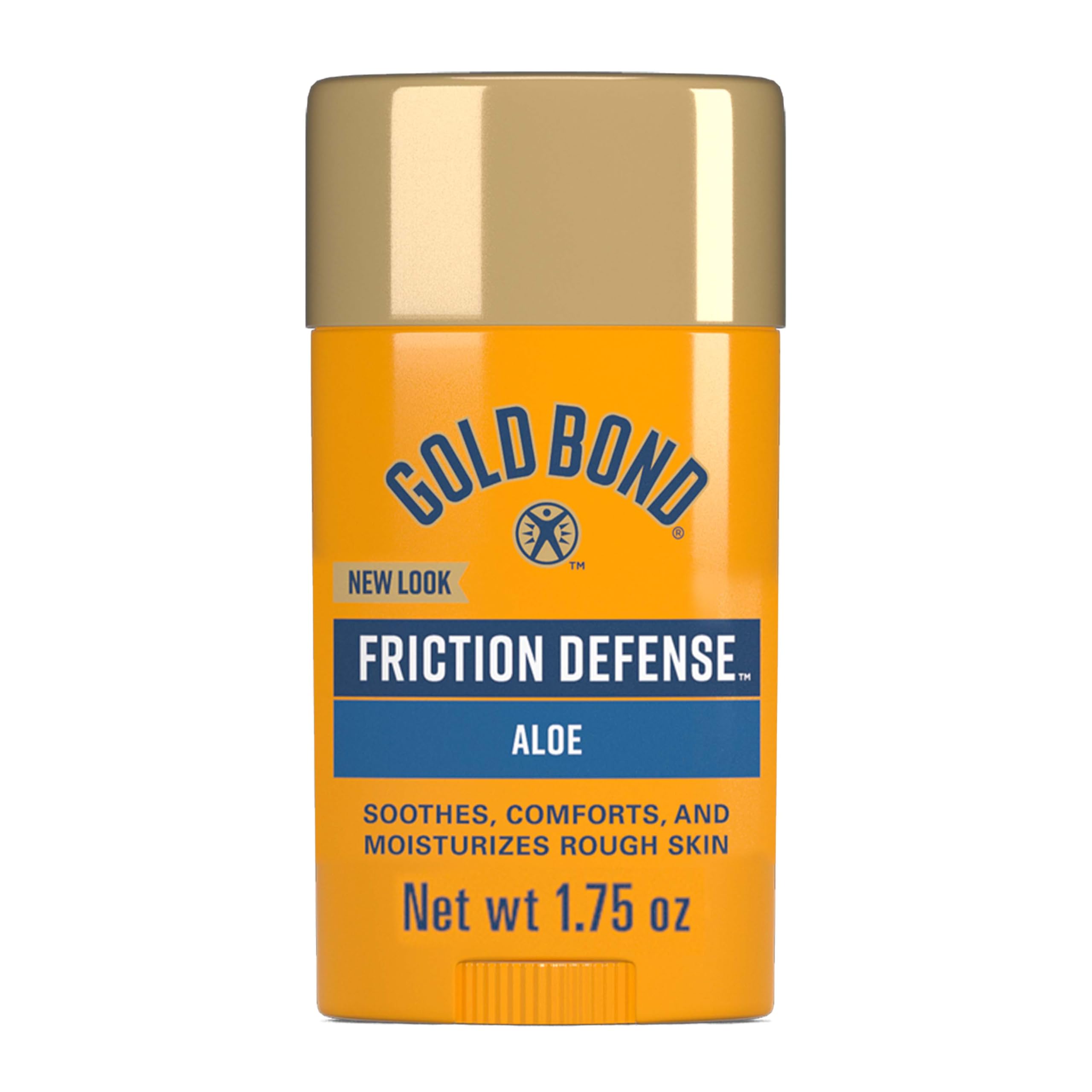
- Gold Bond Friction Defense
- Megababe Thigh Rescue Anti-Chafe Stick
- Squirrels Nutbutter Anti-Chafing Stick – for those into more natural ingredients like cocoa butter and coconut oil
- Body Glide Anti-Chafe Balm
Best for: On-the-go prevention, quick application
How they work:
They create a smooth, protective barrier that reduces friction.
Key ingredients:
- Waxes (beeswax, paraffin)
- Silicones
- Petrolatum

Dermatologist’s Take:
Excellent for exercise, travel, or hot days, but may need reapplication with sweating.
3. Anti-Chafe Creams & Ointments

Best for: Prevention + mild irritation
What works:
- Petrolatum-based ointments (like occlusives)
- Zinc oxide creams (soothing + protective)
- Dimethicone-based barrier creams
Dermatologist take:
These are ideal when skin is already irritated. They both protect and help repair the skin barrier.
4. Powders
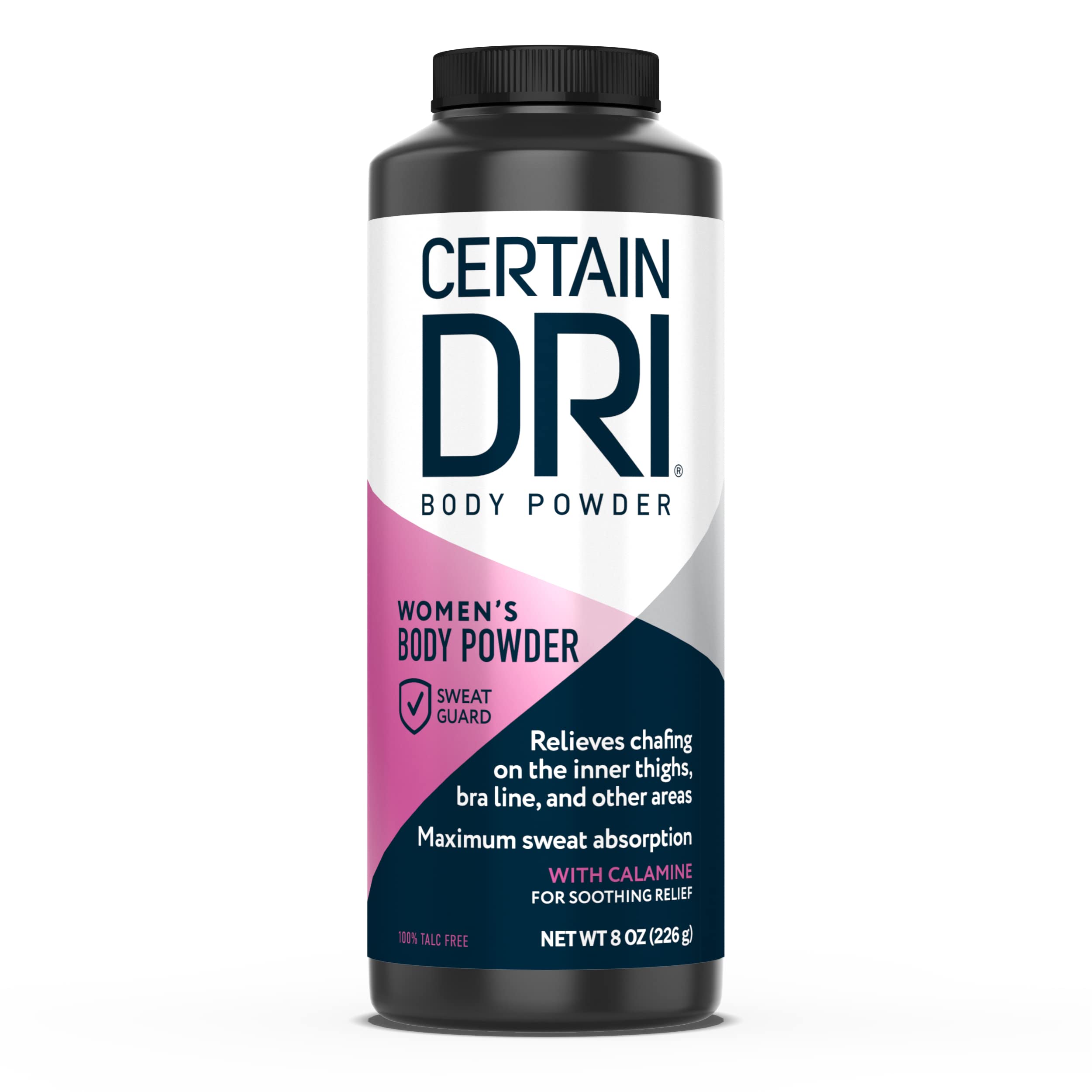
Best for: Moisture control
Types:
- Cornstarch-based powders
- Talc-free body powders
- Medicated powders (may contain zinc oxide)
Dermatologist take:
Helpful in humid conditions, but not enough alone if friction is high. Also:
- Avoid inhalation (especially with asthsma)
- Be cautious if skin is broken (can irritate)
5. Gels
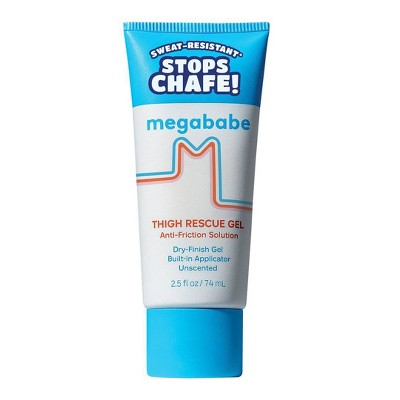
Best for: Lightweight, invisible protection
How they work:
Silicone-based gels create a silky barrier without heaviness.
Dermatologist take:
Good alternative to sticks if you don’t like residue. Often longer-lasting under sweat.
6. Emergency Healing Solutions (When Chafing Has Already Happened)

- Megababe thigh rescue anti- chafe stick
- Cerave Healing ointment
- Desitin
- Anti-chafing thigh bands
- Anti-chafing pads
Best for: Active irritation, raw skin, or infection risk
What to use:
- Petrolatum ointment → protects and speeds healing
- Zinc oxide → soothes inflamed skin
- Hydrocolloid bandages → for raw or blistered areas
- Topical antibiotic (if needed) → for folliculitis
When to see a dermatologist:
- Painful bumps or boils
- Recurrent folliculitis
- Dark marks that won’t fade
- Severe or persistent irritation
Shop thigh chafing products here!
Dermatologist treatments may include:
- Steroid injections for inflamed nodules
- Prescription antibiotics
- Treatments for hyperpigmentation
How to Choose the Right Strategy
Best overall approach (what actually works):
- Reduce friction first → anti-chafe shorts or clothing
- Add a barrier → stick, cream, or gel
- Control moisture → powder (if needed)
- Treat early irritation quickly → ointments
Dermatologist Insight: Why Chafing Leads to Dark Marks
Repeated friction causes inflammation. In skin of color, that inflammation triggers melanin production, leading to post-inflammatory hyperpigmentation (PIH).
That’s why prevention matters—not just comfort, but long-term skin appearance.
Thigh Chafing: Frequently Asked Questions
1. What exactly causes thigh chafing?
Chafing happens when skin rubs against skin (or fabric) repeatedly. This friction, combined with moisture (hello, sweat!), breaks down the skin’s protective barrier, leading to redness, stinging, and even blisters. It’s a common reality for those of us with thunder thighs, especially in humid weather.
2. Why are people moving away from talcum powder?
For decades, talc was the go-to for staying dry, but the tide has turned. People are avoiding talc for two main reasons:
-
Health Concerns: There have been significant safety concerns regarding asbestos contamination in talc mines, leading to long-term health risks.
-
The “Cake” Factor: Talc tends to clump when it gets wet. Instead of a smooth glide, you end up with a messy, pasty residue that can actually increase friction once it dries out.
3. Who should choose an ointment or gel over a stick?
While anti-chafe sticks are convenient for on-the-go application, ointments and gels have a dedicated fan base. You might prefer them if:
-
You have sensitive skin: Gels often have fewer waxes and binding agents than sticks, making them less irritating.
-
You’re an athlete: High-endurance runners often find that a thick ointment (like a petroleum or silicone-based gel) lasts longer through heavy sweat or rain.
-
You need “emergency” repair: If you’re already chafed, a soothing ointment can provide a protective moisture barrier that helps the skin heal faster than a dry stick would.
4. How do I prevent chafing if I’m wearing a skirt or dress?
If you don’t want to carry a product in your purse, anti-chafing shorts (or “slip shorts”) are a literal lifesaver. They provide a physical barrier between your legs. However, for a “bare-leg” look, a high-quality silicone-based gel is your best friend—it creates a silky invisible layer that lasts for hours.
Quick Comparison: Which Product is Right for You?
| Product Type | Best For… | Texture | Longevity |
| Anti-Chafe Stick | Casual wear, daily errands | Waxy, dry | Moderate |
| Silicone Gel | Dresses, sensitive skin | Silky, invisible | High |
| Barrier Ointment | Long hikes, marathons | Thick, greasy | Very High |
| Thigh Bands | Fashion-forward protection | Fabric | Permanent (until removed) |
5. Is “chub rub” only a weight-related issue?
Absolutely not. Chafing is about geometry, not weight. Whether it’s due to muscle mass, bone structure, or just the way you walk, skin-on-skin contact is natural. We like to say “big thighs save lives,” but they also deserve a little extra TLC to keep them from stinging at the end of the day.
6. My thighs are already raw—how do I fix it?
If the damage is done, follow these steps:
-
Cleanse: Use lukewarm water and a fragrance-free soap. Avoid scrubbing!
-
Dry: Pat the area gently with a soft towel.
-
Treat: Apply a thick, healing ointment (look for ingredients like zinc oxide or calendula).
-
Rest: Give your thunder thighs a break. Wear breathable cotton leggings or pajamas to prevent further friction while you sleep.
Pro Tip: Never use products with alcohol or heavy fragrances on already-chafed skin. It will sting like crazy and can actually slow down the healing process!
7. Why are my inner thighs turning dark?
This is usually Post-Inflammatory Hyperpigmentation (PIH). When your skin is constantly irritated by friction—often celebrated as “chub rub” in the big thighs save lives community—your body produces extra melanin to protect itself. This results in flat, dark “stains” where the rubbing is most intense.
8. Can I use brightening creams on my inner thighs?
You have to be careful! Because the inner thigh is a high-friction area where skin folds over itself (occlusion), leave-on brightening chemicals can become trapped. This often leads to severe irritation or even chemical burns, which actually makes the dark spots worse.
3. What are the safest products for inner-thigh discoloration?
Dermatologists often recommend short-contact therapy. Instead of a cream that stays on all day, use a “pigment mask” like Cyspera or Sente. You apply it for about 15 minutes and then wash it off. This allows the active ingredients to work without the risk of irritation caused by your thighs rubbing together throughout the day.
4. Is it just a dark spot, or is it something else?
It is common to confuse PIH with Acanthosis Nigricans (AN), especially in individuals with obesity.
-
The Difference: PIH is usually flat and smooth. Acanthosis Nigricans feels velvety or thickened and may appear “dirty.” AN is often a sign of underlying insulin resistance, so if your skin feels textured rather than smooth, it’s time to see a doctor for a metabolic check-up.
5. What if my “chafing” feels like painful lumps?
If your friction areas develop deep, painful, boil-like lumps or recurring sores, it may not be chafing at all. It could be Hidradenitis Suppurativa (HS)—a chronic inflammatory condition. If you notice “tunnels” under the skin or scars that don’t heal, stop the DIY treatments and consult a dermatologist immediately.
6. Should I treat the dark spots or the chafing first?
Treat the friction first! You cannot heal hyperpigmentation if the skin is being constantly “re-injured” by rubbing. Get your favorite anti-chafe gel or slip shorts in place to protect your thunder thighs before you start any brightening regimen.
When to Put Down the Cream and Call a Doctor
If you’ve been diligent with your anti-chafe products and “big thighs save lives” shorts but aren’t seeing progress, it’s time to consult a board-certified dermatologist.
Schedule an appointment if you notice:
-
Signs of Infection: If the chafed area is leaking pus, has a foul odor, or is accompanied by a fever or spreading warmth/redness, you may have a secondary bacterial or fungal infection.
-
The “Velvet” Texture: If the dark skin feels thick, velvety, or raised (rather than just a flat stain), this is likely Acanthosis Nigricans. Since this can be a skin-deep signal of insulin resistance or a metabolic issue, a doctor needs to check your labs.
-
Recurring Painful Lumps: If your “chafing” turns into thigh chafing pimples, or deep, painful boils or lumps that keep coming back in the same spot, you may have Hidradenitis Suppurativa (HS). This condition requires specialized medical treatment and won’t be solved by OTC gels.
-
Pain That Limits Mobility: If the stinging is so severe that you are changing the way you walk or avoiding activity altogether, you need a high-potency treatment to break the inflammation cycle.
-
No Improvement After 4-6 Weeks: Hyperpigmentation takes time to fade, but if you’ve been using professional masks like Cyspera or Sente and seeing zero change (or increased irritation), a pro can help you pivot to a different treatment or a prescription-strength option.
Bottom Line
Thigh chafing is common, preventable, and treatable. The key is understanding:
- Friction + moisture = skin breakdown
- Barrier + coverage = prevention
- Early treatment = less pigmentation and fewer complications
Let’s be real: “chub rub” is a rite of passage for many of us, but it doesn’t have to be a painful one. Whether you’re a long-distance runner, a dress enthusiast, or just someone living life with a little extra cushion, protecting your skin is priority number one.
If you’re dealing with recurrent irritation, painful bumps, or dark marks, it’s time to see a board-certified dermatologist. You don’t have to just “live with it.”
Need to see a dermatologist about your friction folliculitis or thigh chafing? Make an appointment with Dr. Dina Strachan here!