
Beauty Rest: The Science Behind Beauty Sleep and Why It Matters for Your Skin, Brain, and Health
Beauty Sleep Is Not a Myth—It’s Biology
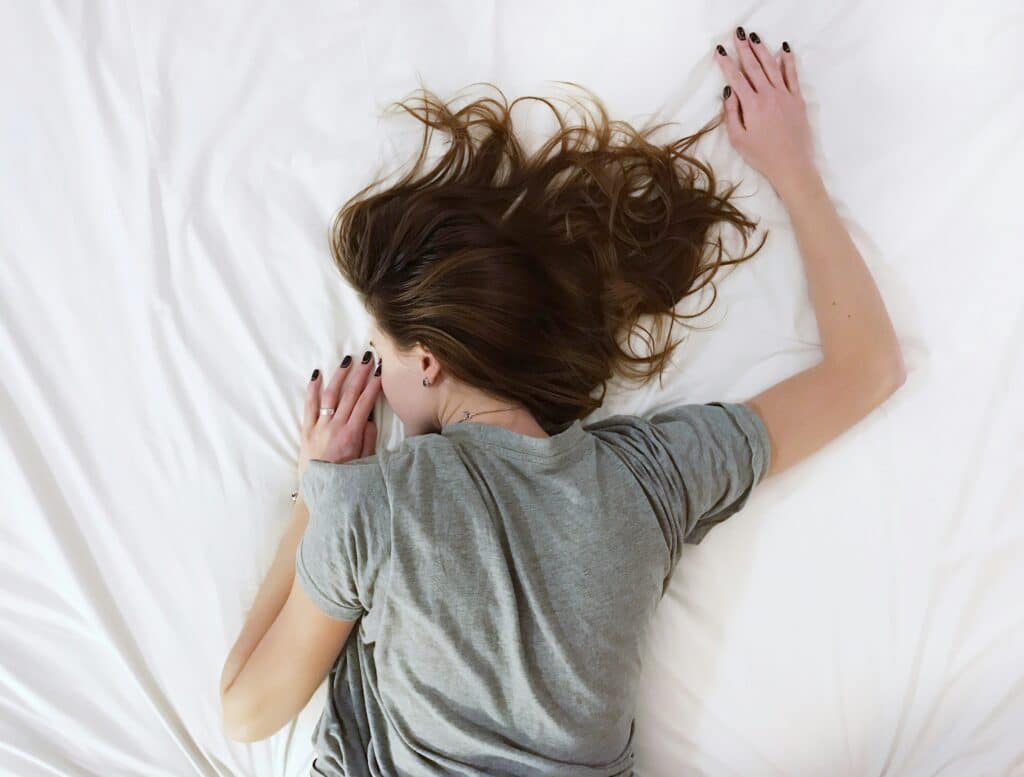
“Sleeping beauty” exists for a reason.
Sleep is when your body enters a repair and reset phase:
- Skin regenerates
- Collagen production increases
- Hair cycles continue
- The brain clears metabolic waste
When sleep is disrupted, these processes are disrupted too.
The Science: Sleep Makes You Look More Attractive
A well-known study demonstrated that people who were sleep-deprived were rated as:
- Less attractive
- Less healthy
- More fatigued
- People are more likely to socially avoid someone who looks sleep deprived
👉 Sleep Deprivation and Facial Appearance Study
Same person. Different sleep. Different perception.
That’s beauty rest in real life.
Shop: Our dermatologist-recommended products to help you get your beauty rest
What Melatonin Actually Does (and Why It Matters)
Melatonin is not just a “sleep hormone.”
It is your body’s internal signal that it is nighttime.
What melatonin does:
- Signals your brain to prepare for sleep
- Lowers core body temperature
- Regulates circadian rhythm
- Supports antioxidant activity (important for skin aging)
Melatonin rises naturally in the evening when it gets dark.
How Light Disrupts Melatonin
Light—especially blue light—suppresses melatonin.
- Blue light (phones, tablets, LED lighting) mimics daylight
- Your brain interprets this as “stay awake”
- Melatonin production drops
👉 Even normal indoor light can suppress melatonin, but blue wavelengths do it more strongly (Harvard Health)
👉 Artificial light at night directly suppresses melatonin secretion and disrupts circadian rhythm (Exploration Publishing)

Why Screen Time Before Bed Is a Problem
Screen exposure does two things at once:
1. Light effect
- Suppresses melatonin
- Delays sleep onset
2. Brain stimulation
- Keeps your brain in an alert, problem-solving state
- Prevents transition into sleep mode
Studies show that blue light exposure:
- Increases alertness
- Decreases sleep quality and duration (PMC)
👉 Translation: your brain thinks it’s daytime.
Why Reducing Screen Time Works
When you reduce screens at night:
- Melatonin rises naturally
- Sleep onset becomes easier
- Sleep becomes deeper and more restorative
Practical recommendation:
👉 Stop screens 1–2 hours before bed
If not realistic:
- Use night mode
- Lower brightness
- Consider blue-light filtering strategies

Caffeine, Alcohol, and Sleep Quality
Caffeine
Although caffeine has a number of positive health benefits, such as reducing the risk of cancer including skin cancer, it’s not great for sleep. Caffeine blocks adenosine, the chemical that builds sleep pressure.
- Half-life: ~5–7 hours
- Effects can last 8+ hours
👉 Recommendation:
- Stop caffeine at least 6–8 hours before bed
Read: Dermatologist recommended beauty sleep products
Alcohol
Alcohol is misleading.
- Helps you fall asleep faster
- But disrupts REM sleep
- Leads to fragmented sleep
Result:
👉 You sleep—but not well
Temperature and Sleep (Highly Underrated)
Your body must cool down to initiate sleep.
- Core temperature drops before sleep
- A warm environment interferes with this
If you’re too warm:
- More awakenings
- Lighter sleep
- Less restorative sleep
👉 This is why cooling bedding and room temperature matter.
Darkness and Light Control
Your brain uses light as a master signal.
- Darkness → melatonin rises
- Light → melatonin suppressed
Even small light exposure:
- Reduces sleep quality
- Disrupts circadian rhythm
👉 Recommendation:
- Blackout curtains
- Sleep mask if needed

Do Natural Sleep Aids Work?
Chamomile
Chamomile contains compounds that:
- Bind to GABA receptors (calming effect)
Studies show:
- Improved sleep quality in some populations
- Reduced anxiety
👉 Evidence suggests benefit, though more robust trials are needed (Consensus)
Lavender
Lavender aromatherapy:
- May reduce sleep latency (time to fall asleep)
- Promotes relaxation
Systematic reviews show:
- Improvements in self-reported sleep quality (ResearchGate)
Magnesium
Magnesium:
- Supports nervous system regulation
- Helps reduce muscle tension
Often helpful for:
- Sleep onset
- Relaxation
Why Sound Machines Help
Silence is not always ideal.
Sudden noise spikes (traffic, voices) can:
- Trigger micro-awakenings
- Fragment sleep
White noise works by:
- Creating a consistent sound environment
- Masking disruptive noises
👉 One study found people fell asleep 38% faster with white noise (Sleep Foundation)
Sleep, Brain Health, and Aging
During sleep:
- The brain clears waste products
- Memory consolidates
- Neural connections reset
Chronic poor sleep is linked to:
- Cognitive decline
- Increased risk of dementia
- Impaired decision-making
Sleep and Long-Term Health Risks
Insufficient sleep is associated with:
- High blood pressure
- Heart disease
- Stroke
- Increased mortality
Sleep is not optional—it is foundational.
Why Dermatologists Care About Beauty Rest
Sleep affects:
- Acne (via cortisol and inflammation)
- Aging (collagen + repair)
- Hair loss (stress and cycle disruption)
- Skin barrier function
- Mental health and perception
- Some skin conditions such as eczema and itch interfere with sleep
If you are not sleeping well:
👉 Your treatments will not work as well.

What “Quality Sleep” Actually Means
Not just hours.
You need:
- 7–8 hours
- Deep sleep
- Consistency
“Sleeping like a baby” is a myth—babies wake frequently.
What you want is:
👉 Sustained, uninterrupted sleep
Shop: Beauty Rest Essentials
Practical Dermatologist Sleep Recommendations
1. Control Light
- Reduce screens 1–2 hours before bed
- Use blackout curtains or masks
2. Control Temperature
- Keep room cool (best between 60 and 67 degrees)
- Warm bath or shower causes a drop in core body temperature which induces sleep
3. Control Stimulation
- Avoid late caffeine
- Limit alcohol
4. Support Relaxation
- Tea, magnesium, aromatherapy
5. Build Consistency
- Same sleep/wake time daily
Final Takeaway
If you want:
- Better skin
- Healthier hair
- Slower aging
- Better overall health
Start with sleep.
Because the most powerful beauty treatment is still:
👉 A good night’s rest
Looking for a board-certified dermatologist who understands the importance of beauty rest on your skin, hair and nails? Schedule an appointment with Dr Strachan here!