

Dermatologist-Recommended Sunscreen for Melasma
Quick Summary: Effective melasma management requires more than standard sun protection. Dermatologists now recommend a “multi-defense” approach: blocking UV rays, deflecting heat, and shielding against High-Energy Visible (HEV) light. The gold standard is a mineral-based, broad-spectrum sunscreen with SPF 50+ and Iron Oxides.

Transparency Note: This article is independently curated by our board-certified dermatologist. We may earn a commission if you purchase through our links, but our recommendations are driven strictly by medical data, not brand partnerships.
Why Sun Protection is Different for Melasma
Melasma is not just sun damage; it is a chronic condition where pigment cells (melanocytes) become unstable and overactive. While standard sunburns are caused by UVB rays, melasma flare-ups are triggered by three distinct factors:
-
UV Radiation (UVA/UVB): UVA rays penetrate deep into the skin, stimulating pigment even through glass and clouds.
-
Visible Light (HEV/Blue Light): Emitted by the sun and digital screens, this high-energy light is a primary driver of stubborn pigmentation, particularly in medium-to-deep skin tones.
-
Heat (Infrared): Heat accumulation in the skin can incite inflammation, causing melanocytes to produce more pigment.
The “Memory” of Pigment
Melasma has a “memory.” Even after dark spots fade, the underlying cells remain sensitive. A single afternoon of unprotected exposure—or even the heat from a hot car—can reactivate these cells, undoing months of treatment.
Sunscreen considerations for Skin of Color
Melasma is more common and often more severe in medium to darker skin tones. In these patients, visible light plays a larger role in pigmentation, but cosmetic acceptability is equally critical. A sunscreen that leaves an ashy or unnatural cast will not be used consistently — and inconsistent use leads to relapse. See below for specific recommendations.
The Checklist: What to Look For
To effectively prevent recurrence, your sunscreen must meet the following scientific criteria:
-
✔ Iron Oxides: Standard white sunscreen cannot block visible light. You need formulas containing Iron Oxides (often found in tinted sunscreens) to physically shield the skin from HEV/blue light. J Cosmet Dermatol. 2021 Feb;20(2):532-537.
-
✔ Mineral (Physical) Filters: Zinc Oxide and Titanium Dioxide sit on the skin’s surface to reflect UV rays. Unlike chemical filters, which convert UV rays into heat (a melasma trigger), mineral filters deflect energy, keeping the skin cooler.
-
✔ SPF 50 or Higher: While SPF 30 is the minimum standard, dermatologists increasingly advise SPF 50+ for melasma patients to provide the maximum buffer against UV penetration.
-
✔ Broad-Spectrum Labeling: Ensures protection against both burning (UVB) and aging/pigmenting (UVA) rays.
Top Sunscreen for melasma Recommendations (2026 Selection)
These selections combine advanced pigment-correcting technology with cosmetic elegance, ensuring daily compliance.
🏆 Best Overall: Tinted Mineral Formulas (The “Iron Oxide” Shield)
Best for blocking visible light and evening out skin tone.
Buy on ShopMyShelf or on Amazon in the product links
-
Alastin HydraTint Pro Mineral: A favorite for its cosmetic finish. While the SPF is moderate (36), its antioxidant blend and Iron Oxide content offer superior environmental protection. 👉 Check price on Amazon
-
La Roche-Posay Anthelios Mineral Tinted SPF 50: A powerhouse combining high SPF 50 protection with a tint that serves as a barrier against visible light. 👉 Check price on Amazon
-
SkinCeuticals Physical Fusion UV Defense SPF 50: A fluid, lightweight formula that blends easily, making it ideal for layering under makeup without feeling heavy. 👉 Check price on DermStore
-
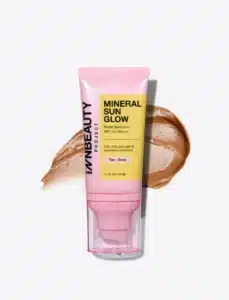
InnBeauty Project Mineral Sun Glow SPF 43: Tackles the “white cast” issue with varying shades (Fair, Medium, Deep) and a peachy undertone for a glowy, non-chalky finish. 👉 Check price on Amazon
-
Neutrogena Purescreen+ Mineral UV Tint: An accessible, budget-friendly option that delivers necessary Iron Oxides for everyday wear. Comes in several tints. 👉 Check price on Amazon

Iron oxide and flexible tints makes Innbeauty a good pick for melasma
🏆 Top Picks for Skin of Color (No White Cast)
-
InnBeauty Project Mineral Sun Glow SPF 43
-
Why it works: Unlike “universal” tints that can still look chalky, this comes in flexible shades (including Fair-Light and Medium-Deep). The “Medium-Deep” option is specifically designed to blend seamlessly into darker complexions while providing a glowy, non-greasy finish. 👉 Check price on Amazon
-
-
EltaMD UV Clear Deep Tinted Broad-Spectrum SPF 46
-
Why it works: This is not the standard “tinted” version; it is the “Deep Tinted” formula. EltaMD formulated this specifically for darker skin tones to ensure zero white cast. It also contains Niacinamide, which helps fade the dark spots associated with melasma. 👉 Check price on Amazon
-
-
Neutrogena Purescreen+ Mineral UV Tint Face Liquid
-
Why it works: This budget-friendly option is a standout because it offers four distinct shades (Light, Medium, Deep, etc.) rather than a “one shade fits all” approach. The “Deep” shade is rich in iron oxides and dries down without an ashy residue. 👉 Check price on Amazon
-
-
La Roche-Posay Mela B3 UV Daily Moisturizer SPF 30
-
Why it works: This formula is designed to be completely invisible on all skin tones. It uses a specialized “invisible finish” technology that avoids the heavy pigment of some minerals, making it a safe bet if you dislike the feeling of makeup or heavy tints.👉 Check price on Amazon
-
-
Alastin HydraTint Pro Mineral Sunscreen SPF 36
-
Why it works: This has a cult following for its “bronzed” undertone. While many mineral tints lean pink or gray (which turns purple on dark skin), Alastin’s tint leans warm/golden, allowing it to blend naturally into tan and deep skin tones without looking pasty.

Low SPF but advance technology to treat dark spots in this Larocse-Posay product
-

🔬 Best Advanced Science & Treatment
Formulas that protect and correct simultaneously.
-
La Roche-Posay Mela B3 UV Daily Moisturizer SPF 30: Features the breakthrough ingredient Melasyl™, which intercepts melanin precursors before they form dark spots. Note: As this is SPF 30, it is best for indoor days or low-exposure settings. 👉 Check price on Amazon
-
ISDIN Eryfotona Ageless Ultralight Tinted SPF 50: Contains DNA repair enzymes (photolyase) to actively repair past sun damage while protecting against new pigment. 👉 Check price on Amazon
🛡️ Best High-Protection for Sensitive Skin
Ideal for post-procedure skin or those reactive to chemical filters.
-
EltaMD UV Skin Recovery SPF 50: A 100% zinc oxide formula designed for compromised skin, minimizing the risk of irritation-induced hyperpigmentation. 👉 Check price on Amazon
-
CeraVe 100% Mineral SPF 50: Enriched with ceramides to restore the skin barrier. (Non-tinted; best layered under makeup to add visible light protection). 👉 Check price on Amazon
-
Blue Lizard Australian Sensitive SPF 50+: Maximum water resistance and UV blockade. Fragrance-free and robust. 👉 Check price on Amazon
👜 Best for Reapplication
-
Colorescience Sunforgettable Total Protection Brush-On Shield SPF 50: A powder sunscreen that can be dusted over makeup, making the required midday reapplication easy and non-greasy. 👉 Check price on Amazon
Pro-Tips for Maximum Efficacy
1. The “Sandwich” Method
If you prefer a specific non-tinted sunscreen (like Blue Lizard or CeraVe), you can still get visible light protection by layering a foundation or BB cream containing Iron Oxides on top.
2. Watch the Heat
Since heat triggers melasma, mineral sunscreens are scientifically preferred over chemical ones because they reflect rather than absorb heat. If you exercise outdoors, keep a cooling face mist handy to lower skin temperature immediately.
3. Indoor Protection is Mandatory
UVA rays penetrate window glass, and HEV light emits from your devices. Dermatologists emphasize that skipping sunscreen because you are “just staying inside” is a common cause of stalled progress in melasma treatment.
4. Application Rules
-
Amount: Use at least ½ teaspoon for the face and neck.
-
Frequency: Reapply every 2–3 hours when outdoors.
-
Consistency: Apply every morning, regardless of the weather.
Frequently Asked Questions: sunscreen for melasma
Q: Is SPF 30 enough for melasma?
A: While SPF 30 blocks 97% of UVB rays, most experts recommend SPF 50+ for melasma patients. The higher SPF compensates for imperfect application and provides a stronger shield against the UV intensity that triggers flares.
Q: Why do I need a tinted sunscreen?
A: Standard white sunscreen filters (Zinc/Titanium) are excellent for UV rays but poor at blocking Blue Light (HEV). The tints in these products are created by Iron Oxides, which are currently the most effective shield against Blue Light.
Q: Can I use chemical sunscreen?
A: You can, but it requires caution. Chemical filters work by turning UV rays into heat, which can theoretically worsen melasma in heat-sensitive individuals. If you choose a chemical formula, ensure it is broad-spectrum and layer a makeup product with Iron Oxides on top for visible light defense.
Q: If I wear SPF 50+, do I really need a sunhat? A: Yes. Sunscreen is your second line of defense; shade is your first. While sunscreen filters UV rays, no formula blocks 100% of radiation. A sunhat provides immediate physical shade, reducing the overall UV load your sunscreen has to filter.

Q: How do sunhats specifically help with melasma compared to regular sunburns? A: The “Heat Factor.” Melasma is triggered not just by light, but by heat (infrared energy). While sunscreen protects against rays, it cannot stop the sun from heating up your skin. A wide-brimmed hat creates a canopy of shade, physically keeping the facial temperature lower than if it were exposed to direct sunlight. This helps prevent the inflammation-induced pigmentation that heat causes.
Q: Is a baseball cap enough? A: No. Dermatologists generally advise against baseball caps for melasma protection because they leave the ears, temples, and neck exposed—common sites for irregular pigmentation.
-
The Recommendation: Look for a hat with a broad brim (at least 3–4 inches) that goes all the way around the head.
Q: What should I look for in a sunhat? A: Treat your clothing like your sunscreen. Look for:
-
UPF 50+ Rating: This ensures the fabric effectively blocks UVA/UVB rays.
-
Tight Weave: If you can see light through the holes of a straw hat, UV rays are getting through.
-
Darker Under-Brim: A brim with a dark underside absorbs light reflecting off the ground (sand, water, concrete) rather than bouncing it back onto your face.
Q: Can I skip sunscreen if I wear a giant hat? A: No. UV rays are reflective. Up to 80% of UV rays can bounce off surfaces like pavement, sand, and water, hitting your face from below where the hat cannot protect you. The hat blocks direct light; the sunscreen blocks reflected light.